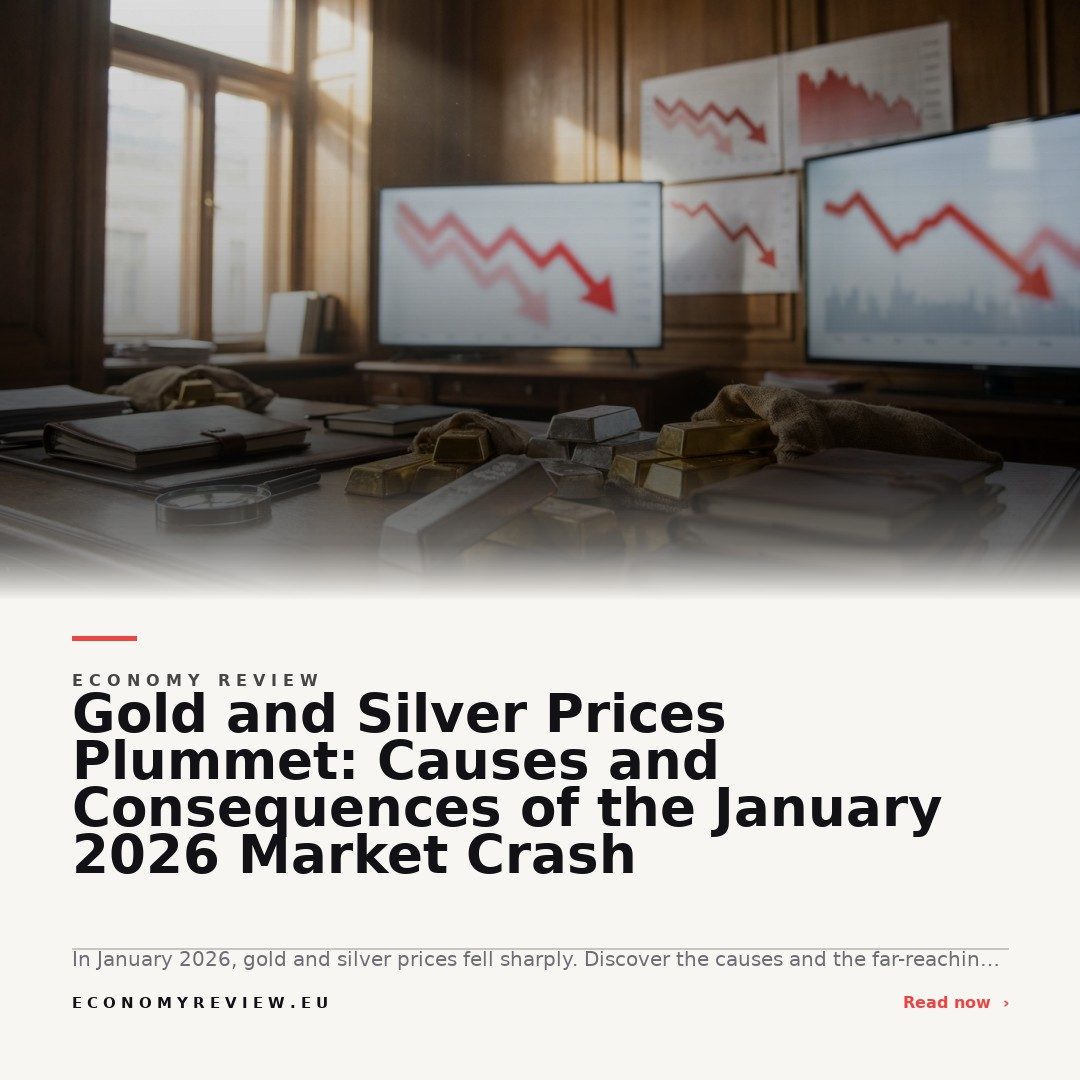
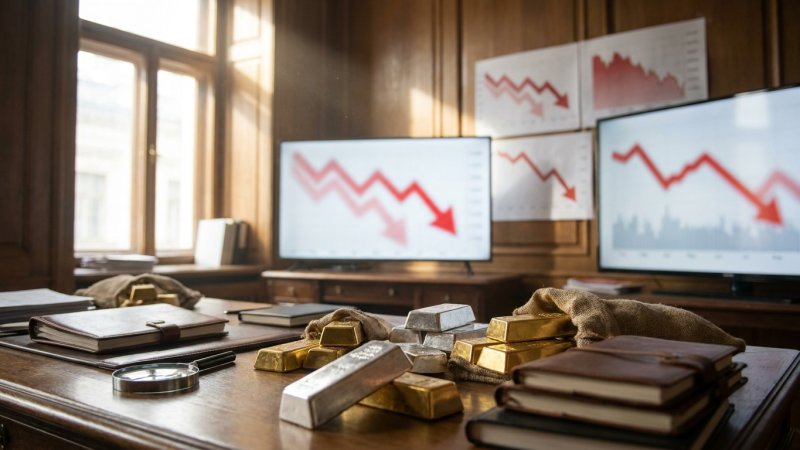
The sudden and substantial drop in gold and silver prices in January 2026 shocked financial markets and investors worldwide. This abrupt downturn has raised important questions about the underlying factors driving precious metals markets and the broader implications for financial stability and investor decision-making at the start of a tumultuous year. Understanding these causes and consequences is crucial for those managing portfolios or navigating the uncertain landscape of 2026.
- Precious metal prices reached multi-year lows in January 2026.
- Market dynamics were shaped by shifting monetary policies and investor sentiment.
- The aftermath impacts everything from private portfolios to global industrial trends.
What Led to the January 2026 Precious Metals Crash?
At the heart of the January 2026 crash was a confluence of macroeconomic forces. In the preceding months, inflation in several leading economies showed early signs of easing, prompting central banks to hint at moderating their previously aggressive interest rate hikes. As the US Federal Reserve and the European Central Bank communicated a softer stance, the US dollar strengthened surprisingly against other currencies. The resulting appreciation put downward pressure on dollar-denominated assets, including gold and silver.
Another decisive factor was the return of investor confidence in riskier asset classes. With equity markets starting the year on a strong note, capital flowed away from traditional safe havens like gold and silver, drastically reducing demand. Meanwhile, new data from large technology sectors and some major emerging markets pointed to a broader economic recovery, further dampening the appeal of precious metals as a hedge.


The Role of Inflation and Market Psychology
Historically, gold and silver have been viewed as hedges against inflation and uncertainty. Early 2026 saw inflation rates moderate in several advanced economies after years of above-target readings. Reports suggested this trend might continue, weakening the need for gold and silver as protective instruments against currency devaluation. As inflation expectations cooled, so too did the urgency to hold onto precious metals as a store of value, causing prices to slide.
The mood of the market—driven by both institutional and individual investors—also played a critical role in the decline. Trend-following and algorithmic trading strategies fueled the downward spiral, exacerbating price drops once certain technical levels were breached. Global news cycles highlighting positive economic indicators intensified the sense that the worst of inflation was over, creating a feedback loop that further depressed gold and silver prices. For those seeking a deeper understanding of inflation’s impact beyond precious metals, our article So funktioniert Inflation: Ursachen, Auswirkungen und Schutzmöglichkeiten provides more comprehensive insights.
Immediate Consequences for Investors and the Financial Sector
The immediate aftermath of the January 2026 crash was widespread volatility in commodities markets, resulting in significant portfolio revaluations—especially among funds and institutions heavily exposed to gold and silver-backed assets. Investors scrambled to rebalance holdings, leading to a short-term increase in trading volumes and heightened volatility in related sectors.
Brokers and market makers reported increased margin calls and a flurry of stop-loss triggers as long-standing positions were liquidated. Beyond direct market participants, volatility spilled over to companies reliant on gold and silver for industrial purposes, pressing manufacturers to reconsider their pricing strategies for the months ahead. Pension funds and private savers faced renewed uncertainty over the reliability of precious metals in their portfolios, sparking conversations around diversification and alternative strategies.
Broader Economic and Industrial Impacts
The significant correction in gold and silver pricing had reverberating effects across broader economic and industrial landscapes. Jewellery manufacturers experienced temporary relief from lower input costs, while electronics and automotive sectors saw opportunities to lock in cheaper materials for future production cycles. However, mining companies—and economies substantially reliant on precious metal exports—suffered short-term losses, compelling them to rein in investments and implement cost-cutting measures.
This period of lower precious metals pricing also influenced central bank reserves strategies: some institutions paused their accumulation of gold holdings, while others seized the opportunity to buy at reduced rates, further adding layers of complexity to the demand-side outlook.
Psychological and Social Dimensions: The Changing Trust in Precious Metals
For centuries, gold and silver have symbolized stability and security. The events of January 2026 challenged these notions, as the crash tested the psychological resilience of both individual investors and seasoned professionals. There was a noticeable uptick in discussions about financial safety nets and preparedness for volatility. The importance of mental resilience in the face of economic changes became a significant talking point, as many found the rapid shift in market fortunes unsettling. Our piece on mental health and resilience during turbulent times examines how individuals and organizations can strengthen their response to financial shocks.
Looking Ahead: Can Gold and Silver Regain Their Shine?
Looking forward, questions abound regarding the ability of gold and silver markets to recover in the medium and long term. Much will depend on the persistence of economic stability, central bank policies, and evolving investor sentiment. Some analysts argue that lower prices may eventually reignite demand as buyers seek value; others warn that a protracted period of subdued precious metals prices could redefine their role in portfolios for years to come.
Current trends suggest that the function of gold and silver as safe havens is being challenged by a new class of financial assets and shifting global risk perceptions. Investors with exposure to precious metals are advised to watch monetary policy statements, inflation trends, and tech sector developments closely throughout 2026 and beyond.
Conclusion: Lessons from the January 2026 Crash
The January 2026 collapse in gold and silver prices serves as a clear reminder of how swiftly sentiments and market fundamentals can change—even for assets once considered the ultimate safe haven. This episode underscores the necessity of constant vigilance, flexibility, and a diversified approach to investment. The future of precious metals remains uncertain, but their role in the financial world continues to evolve alongside broader economic and psychological shifts. Investors and observers alike must remain attentive to the dynamic forces that shape both markets and the trust we place in them.