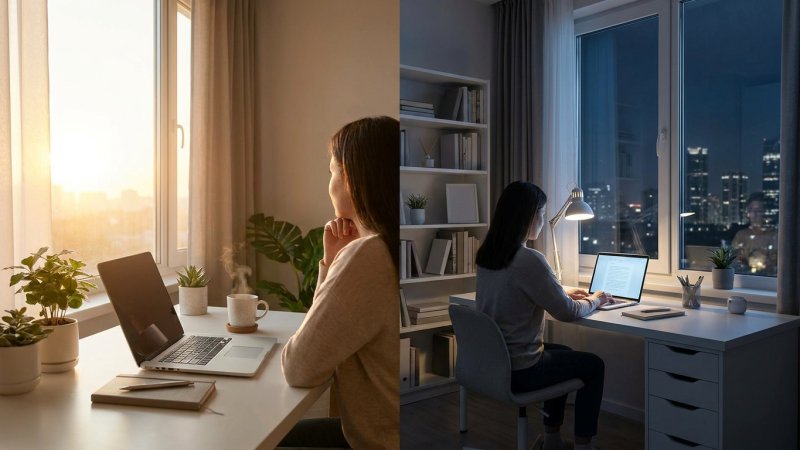
The notion that we are simply 'early birds' or 'night owls' is a tempting way to categorize sleep and productivity, but recent research in chronobiology reveals that our chronotype is much more nuanced. Understanding your unique internal clock – and how it diverges from a simple two-group model – is essential for personal well-being, productivity, and even success in professional life.
- Modern chronotype research shows a spectrum, not just 'lark' or 'owl'.
- Our natural sleep-wake rhythm affects energy, mood, and health outcomes.
- Awareness and adaptation can boost productivity and well-being at work.
What Is a Chronotype and Why Does It Matter?
A chronotype refers to your natural inclination regarding the times of day when you feel most alert or sleepy. Unlike the binary classification of morning 'larks' and night 'owls', scientists now emphasize a continuum involving multiple subtypes and influencing factors. Genetics, age, hormonal cycles, and even environmental cues shape these rhythms. Becoming aware of your chronotype is more than a curiosity—it can illuminate the best times for critical tasks, exercise, creative thinking, or restful sleep.
The Science Behind Our Biological Clocks
Our bodies are governed by circadian rhythms—internal processes that cycle roughly every 24 hours, orchestrated by the suprachiasmatic nucleus in the brain. These rhythms affect core body temperature, hormone release, and sleep-wake patterns. Genetic differences, such as variants of the PER and CLOCK genes, heavily influence individual chronotypes, but lifestyle and environmental factors, like light exposure and work schedules, also play powerful roles. This dance between biology and behavior makes each person’s internal clock truly unique.


The Many Shades of Chronotype: More Than Just Owl or Lark
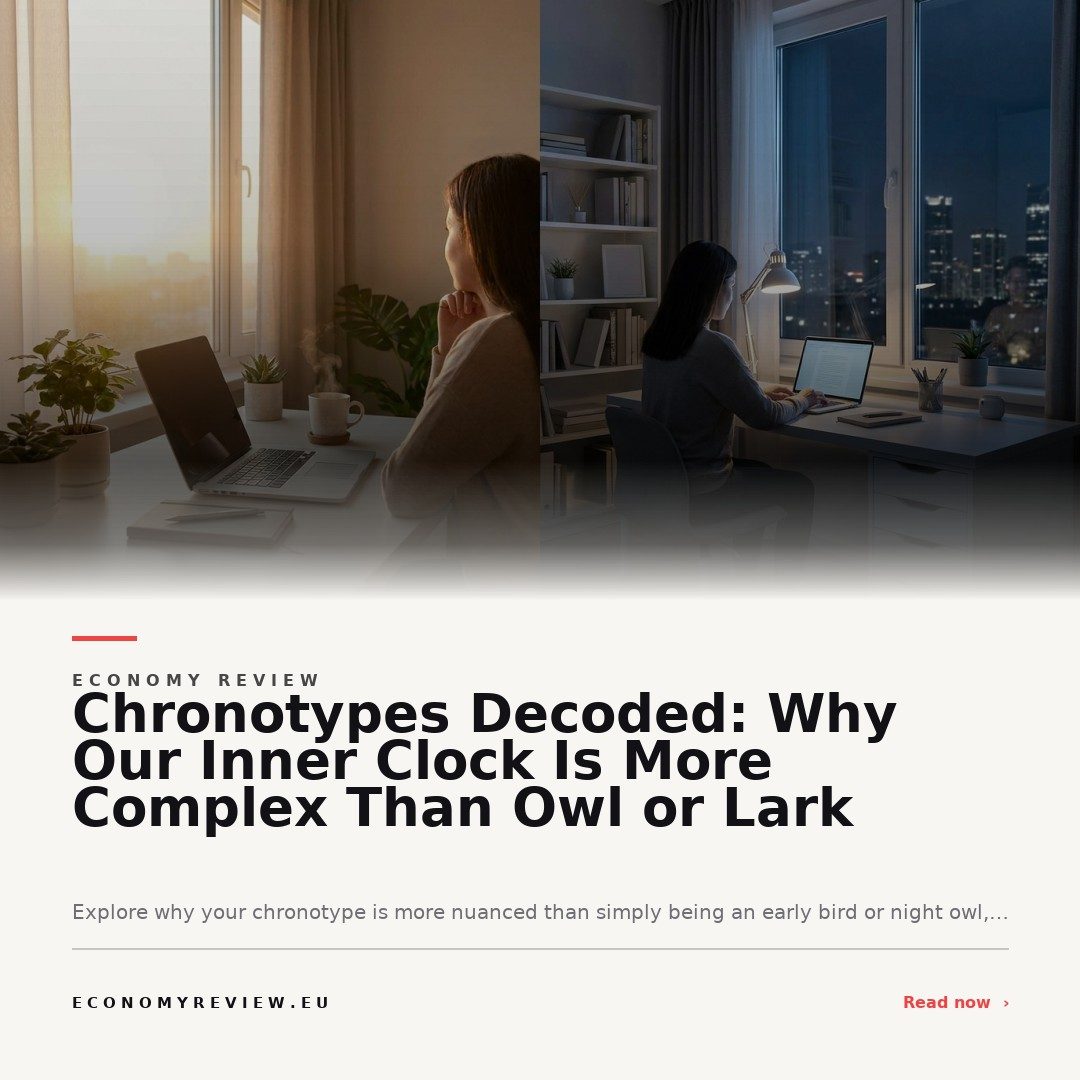
While it's popular to identify as a night owl who thrives at midnight or a lark who relishes sunrise productivity, large-scale studies show at least four distinct chronotype categories: early, intermediate, late, and irregular. Some people shift chronotypes across their lifespan, feeling more lark-like in childhood and transitioning toward owl-dom in young adulthood and back again with age. Stress and mental health, work demands, or even exposure to digital screens can influence these rhythms further, making the picture far more complex than a tidy two-group system suggests.
Why Chronotype Awareness Affects Work and Life
Appreciating your chronotype can have profound impacts on your performance, health, and relationships. Early risers may excel in traditional morning-oriented workplaces but struggle with night shifts or late events. Night-oriented people might reach their creative peak after hours, making standard office routines challenging. This can affect not just energy levels, but also long-term motivation, emotional well-being, and even job satisfaction. As organizations increasingly value mental health and individualized work environments, understanding personal energy rhythms is becoming a core topic for modern management.
Chronotypes and Mental Well-being
There is a growing discourse around how chronotype aligns with mental health. Mismatches between natural sleep-wake patterns and work or social obligations—referred to as social jetlag—are linked with increased stress, lower cognitive function, and heightened risk for anxiety and mood disorders. Approaches to coping with these mismatches include adjusting schedules where feasible or seeking environments that accommodate flexible routines. The crossroad of chronobiology and psychological health is especially relevant for those in demanding roles or experiencing burnout. For further reading, the article on strengthening mental health in women offers additional perspectives.
Chronotype, Productivity, and the Modern Workplace
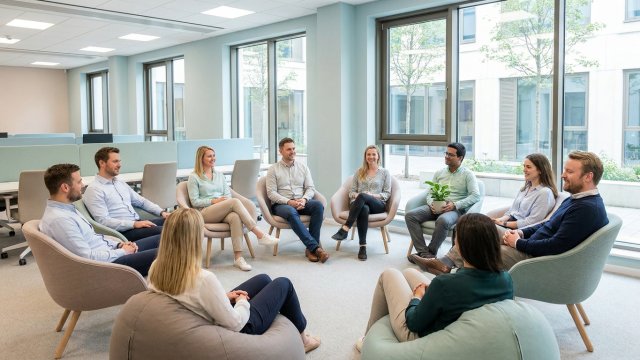
The standard corporate environment has traditionally favored larks, with early meetings and fixed schedules. However, the rise of remote and hybrid work, together with growing interest in employee well-being, is shifting this paradigm. Forward-thinking organizations now increasingly allow for more flexible working hours, letting team members align key tasks with their personal peaks of alertness and creativity. Companies see gains not just in productivity but also employee satisfaction when chronotype diversity is acknowledged. If you are interested in the intersections of mental clarity, well-being, and startup life, our feature on founders' mental health provides deeper insights.
Practical Tips for Identifying and Honoring Your Chronotype
Identifying your chronotype often involves reflecting on periods of peak energy, focus, and mood, free from external pressures like schedules or alarms. Tools and assessments, some medically validated, can provide additional hints. Once aware, practical steps can be taken: schedule demanding meetings or creative work during personal high-energy windows, employ light exposure techniques to shift rhythms when necessary, and communicate needs openly with colleagues or managers. Individuals may also wish to explore related content, such as building self-confidence at work, to further enhance workplace performance.
Common Challenges: When Chronotype and Demands Clash
Society’s rigid expectations often create friction for those whose natural rhythms deviate from the norm. Common issues include poor sleep quality, decreased concentration, and increased accidents in shift workers. Students and professionals alike may face persistent fatigue and underperformance when forced to rise early. For many, embracing flexibility remains easier said than done, especially within cultures or industries that equate early starts with virtue and success. Realignment of expectations and greater awareness are required to bridge this gap effectively.
Future Trends: Personalization and Awareness on the Rise
The future of chronotype research and workplace adaptation looks bright. As wearable technologies and artificial intelligence gather refined data on individual sleep and activity patterns, personalized recommendations—and potentially even personalized work policies—are becoming more mainstream. Greater awareness of the diversity in chronotypes is expected to usher in workplaces that are both healthier and more inclusive. Additionally, the conversation is broadening to consider the impact of emerging trends like artificial intelligence in everyday life, which you can read more about in our article on AI’s impact on daily routines.
Conclusion: Embracing Chronotype Diversity
In summary, the simplistic categories of 'night owl' and 'early bird' no longer do justice to the science of human chronotypes. Our internal clocks are guided by a mosaic of genetics, environment, and lifestyle—and understanding this spectrum is key to optimizing health, happiness, and productivity. For organizations and individuals alike, increasing flexibility and awareness mark the path forward, helping us work with rather than against our natural rhythms. Perhaps the challenge now is not in labeling ourselves, but in listening to our bodies and creating environments where everyone’s clock can shine.