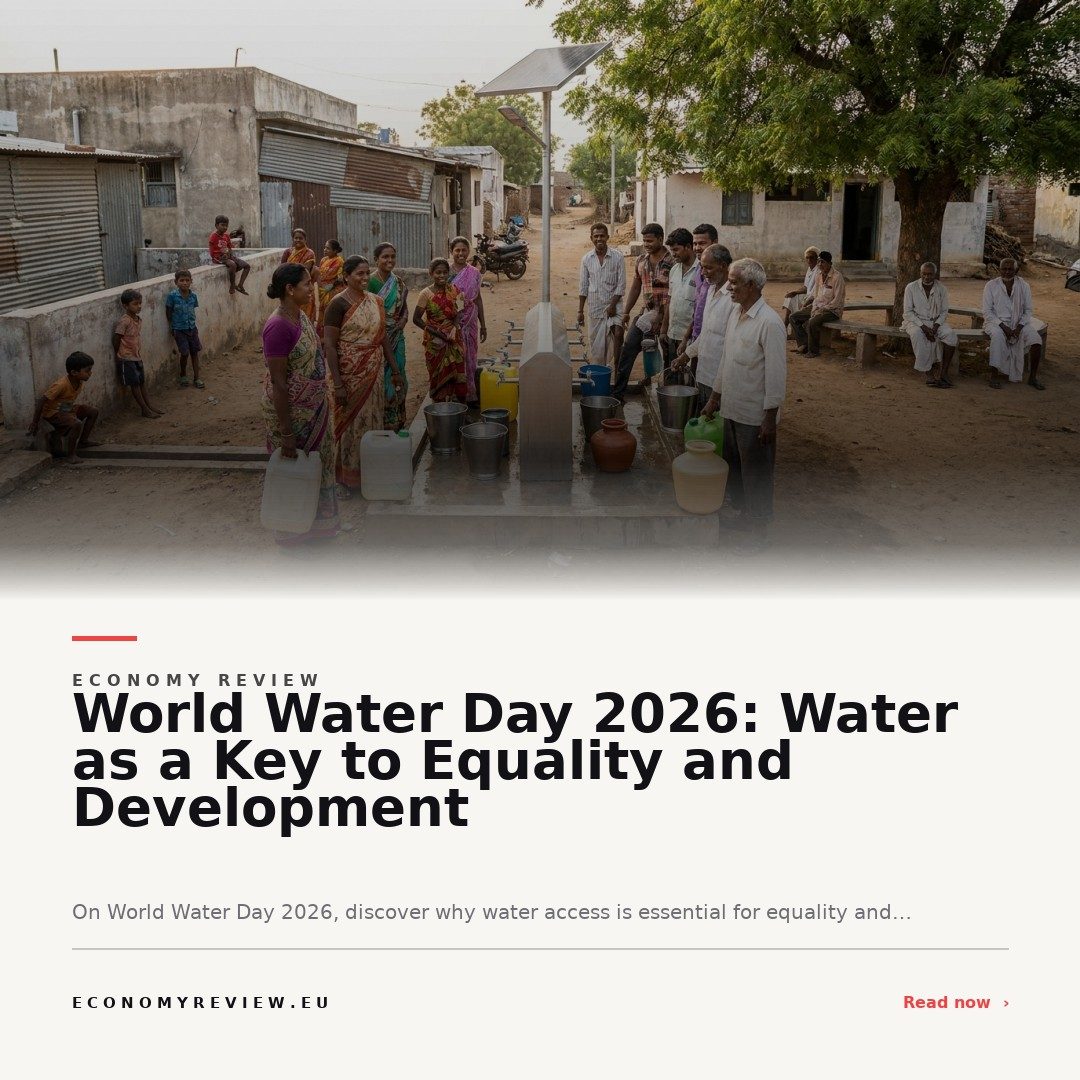
World Water Day 2026 brings renewed global focus to the essential role of water in achieving both equality and sustainable development. This observance highlights the direct connection between water accessibility and the realization of fundamental rights, underscoring that secure, equitable water supply is a prerequisite for societal progress in every region of the world.
- Water access is fundamental for health, education, and economic stability.
- Inequality in water supply perpetuates social and gender disparities.
- Sustainable water management underpins long-term development initiatives.
Why Water Matters for Equality
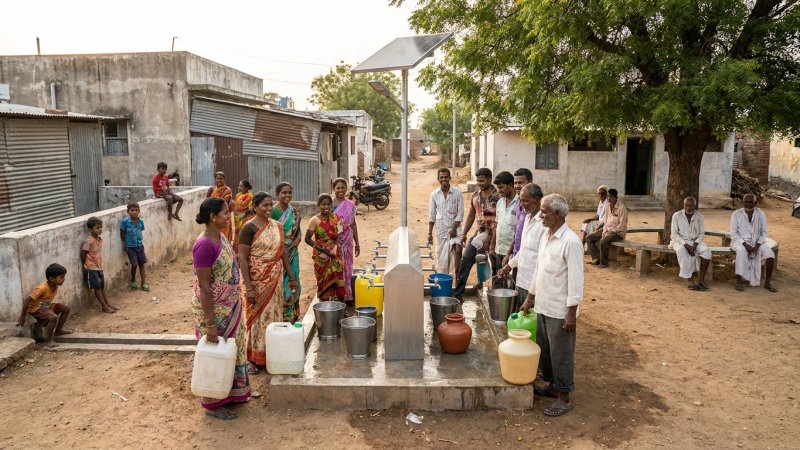
Clean water is more than a basic necessity; it is a foundation for participation and opportunity in society. Where reliable water supply is lacking, communities face higher incidences of disease, barriers to education, and limited prospects for economic advancement. The burden of water collection, particularly in developing regions, often falls to women and girls, reinforcing cycles of gender inequality and restricting their access to vital education and employment opportunities.
The Economic Ripple Effect of Water Shortages
Insufficient access to water not only affects health but also the broader economic potential of communities. Businesses cannot function optimally and productivity suffers. This is especially acute in sectors like agriculture and manufacturing, where clean and reliable water is necessary for daily operations. Diminished productivity leads to lower incomes and stifles local development initiatives, perpetuating poverty traps.


Water and Sustainable Development Goals
Water occupies a central position in the United Nations Sustainable Development Goals (SDGs), particularly in the drive to eliminate poverty, improve education, and promote gender equality. Goal 6 specifically aims for universal and equitable access to safe water by 2030, but progress has been uneven, especially in rural and marginalized communities. Achieving this goal would unlock advancement in health, economic stability, and inclusive growth worldwide.
The Link Between Water, Health, and Education
Healthcare systems cannot function without water, and the lack of sanitation hinders effective disease prevention. For children, access to clean water in schools supports regular attendance and improved learning outcomes. The World Water Day campaign in 2026 emphasizes transformative investment in water infrastructure, aimed at breaking the cycles of disease and absenteeism that undermine development and equality.
Gender and Water: A Pathway to Empowerment
Addressing water equity is inextricably tied to gender empowerment. Where women and girls devote significant time to water collection, their opportunities to learn, earn, and participate in public life are reduced. By improving water access, societies create pathways for women’s education, expanded workforce participation, and leadership in community life. World Water Day 2026 centers these gendered impacts, framing water as a lever for broader societal change.
Community-Led Solutions for Water Equity
Sustainable water management often relies on community engagement and local innovation. Initiatives range from small-scale rainwater harvesting projects to the adoption of new purification technologies. Empowering local leaders, especially women, to manage resources ensures that solutions are contextually relevant and equitably shared. Globally, collaborative approaches to water planning are demonstrating measurable benefits in inclusion, health, and income generation.
Private Sector and Innovation: Catalysts for Change
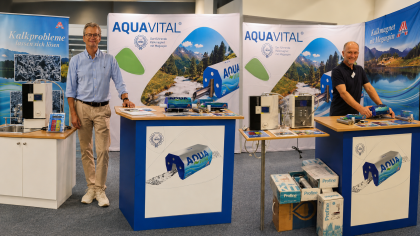
Recent years have seen private sector actors and social enterprises step up with innovative water solutions, from smart distribution systems to efficient purification devices. Investments in water tech not only address infrastructural gaps but also spark job creation and skill development. Partnerships between businesses, governments, and NGOs are increasingly viewed as essential for scaling impact and advancing water equity on a regional and global scale.
Policy and International Cooperation
To advance equality and development, water management requires coordinated policies and international collaboration. Regional agreements on transboundary rivers, for example, are critical to preventing conflicts and ensuring fair allocation. Additionally, financial mechanisms such as targeted public funding, international development aid, and climate adaptation programs are essential for building the water infrastructure needed in vulnerable regions and for disaster resilience.
Challenges and Progress in 2026
The world still faces substantial hurdles in securing water for all. Climate change exacerbates droughts and disrupts rainfall patterns, while urbanization strains aging infrastructure in many cities. Nevertheless, 2026 sees growing awareness and investment, with more governments and organizations acknowledging that water equality is fundamental to human dignity and economic stability.
Inspiring Momentum: The Role of World Water Day
World Water Day continues to elevate stories of progress and urgency. The 2026 observance acts as a catalyst for sharing successful models for water access, deepening dialogue about water justice, and mobilizing private and public sector resources. Its visibility ensures that water remains at the top of policy agendas, reinforcing that equitable water access drives collective sustainable growth and equality in all spheres of life.
Conclusion: Water as the Cornerstone of a Fair Future
In 2026, the global commitment to water as a key for equality and development is clear. Ensuring universal, equitable access to clean water remains a moral and practical imperative. The journey is complex, but with sustained investment, innovation, and inclusive governance, water can become the bridge to a more just, prosperous future for all. Looking forward, the challenge lies in translating awareness and intent into concrete, shared action—and in recognizing water not just as a resource, but as a human right and a cornerstone of societal advancement.