Cooking classes and culinary tours offer travelers authentic food experiences, allowing immersion in local culture and hands-on skills. Such vacations elevate trips to memorable journeys discovering new tastes and traditions.
Cooking classes and culinary tours have become a defining trend in travel, offering holidaymakers the chance to discover a region's flavors beyond traditional sightseeing. These experiences immerse travelers in local culture, transforming an ordinary vacation into a memorable culinary adventure. Whether in Tuscany, Provence, or Southeast Asia, food-focused trips invite participants to explore new tastes and hands-on kitchens, bringing home both skills and stories from around the world.
- Cooking classes abroad immerse you in local traditions and techniques.
- Culinary tours reveal hidden gems and regional specialties.
- Gastronomy-focused trips create lasting memories through shared meals and experiences.
What are Cooking Classes and Culinary Tours?
Cooking classes and culinary tours are travel experiences centered on exploring regional cuisine in an authentic and participatory way. Cooking classes generally involve hands-on instruction from professional chefs or local cooks, while culinary tours may include market visits, tastings, and exclusive dining events. Unlike standard sightseeing, these offer an insider's look into a destination, turning food into a main event and a cultural gateway. Such journeys appeal not only to passionate gourmets but also to curious travelers seeking deeper cultural connections.
Why Choose a Culinary Experience for Your Holiday?
A culinary holiday goes beyond the usual tourist activities by prioritizing food as the central theme of discovery. By joining cooking classes and intimate food tours, travelers learn the stories, secrets, and traditions behind classic dishes. This direct interaction creates a stronger bond with the host culture and makes each meal more meaningful. Learning new recipes, kitchen skills, and ingredient selection gives real, hands-on value that endures long after the trip. For many, this flavor-driven approach leads to friendships and memories that outlast souvenirs.


Popular Destinations and Signature Experiences
Destinations known for rich food traditions, like Italy, France, Thailand, or Japan, draw food-lovers from around the globe. In Italy’s Tuscany, hands-on pasta making with nonnas teaches ancient techniques passed down for generations. French routes through Provence, Burgundy, or the Loire Valley offer vineyard tours, cheese-making, and artisan patisserie workshops. In Bangkok or Hanoi, market tours and street-food classes highlight bold flavors and local ingredients. Each region offers unique experiences, letting travelers both taste and create—whether baking bread in a rural village or joining a foraging tour followed by a farm-to-table meal.
How Do Cooking Classes Work During Travel?
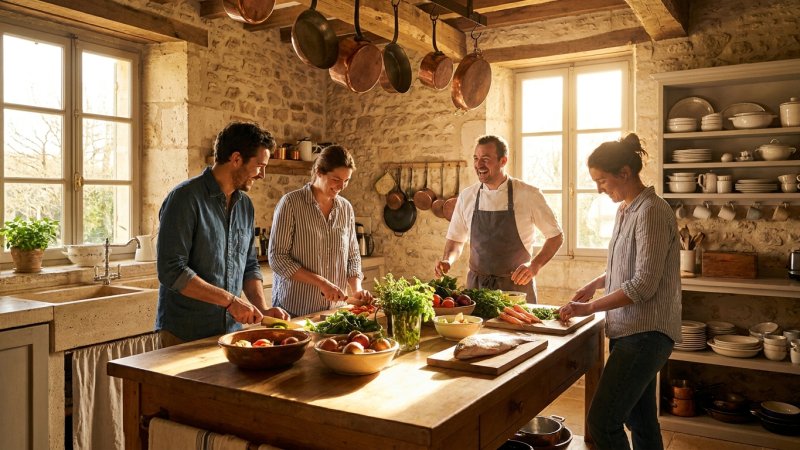
Most cooking classes integrate into existing holiday structures, from half-day workshops to week-long culinary packages. Tour operators, hotels, and specialized schools organize experiences that fit a range of abilities—from novice cooks to seasoned chefs. Classes often start with ingredient shopping in local markets, followed by guided preparation of traditional dishes and culminating in a shared meal. This interactive, communal style breaks down barriers, fostering camaraderie among travelers and hosts alike.
What Do Culinary Tours Offer Beyond Cooking?
Culinary tours are often multifaceted, combining cooking lessons with broader food and drink exploration. Activities may include wine or olive oil tastings, meetings with local producers, and behind-the-scenes visits to artisanal kitchens or historic markets. Participants gain insight into the full food chain: from harvest to table, they witness the care and craft that shape each dish. These immersive encounters reveal the environmental and cultural background of local cuisine, making every bite a narrative in itself.
Who Benefits from Gourmet Travel Experiences?
Gourmet journeys appeal to anyone with a love of food, regardless of age or skill. Solo travelers seek connection through communal meals, while couples enjoy romantic evenings fueled by shared creativity. Families benefit through educational activities that engage children and adults alike. Culinary experiences also offer inclusivity, as classes can accommodate dietary needs and preferences—vegetarian, vegan, or gluten-free travelers alike find welcoming options across the globe. Even those who cook rarely at home discover new perspectives and a sense of accomplishment.
How to Select the Right Culinary Trip?
Choosing the right culinary experience depends on personal taste, skill level, and destination preferences. Research tour operators or schools for credentials, past reviews, and inclusions such as transportation, ingredients, or meals. Consider group size and activity mix—some focus on hands-on cooking, while others prioritize tastings and exploration. Confirm language options and accessibility for a stress-free experience. Early booking often ensures a spot in popular classes, especially in sought-after regions during peak travel seasons.
Making the Most of Culinary Holidays
To maximize your enjoyment, approach culinary travel with an open mind and willingness to learn. Embrace unfamiliar flavors and techniques, ask questions, and participate fully in every step, from market shopping to tasting the final product. Document your experiences through photos, notes, or recipes, and bring home the new skills to recreate dishes for friends and family. Beyond personal enrichment, sharing global food knowledge deepens appreciation for diverse cultures and creates bridges of understanding far beyond the kitchen.
Typical Challenges in Culinary Travel
Embarking on cooking classes and culinary tours can be challenging due to language barriers, dietary restrictions, or uncertainties about group dynamics. Some travelers hesitate to participate for fear of lacking skill or confidence in the kitchen. Others may worry about finding authentic experiences that go beyond touristic surface impressions. Addressing these concerns through thoughtful planning and clear communication with hosts can help ensure a rewarding and inclusive experience. Being flexible and open to new methods or recipes also helps travelers adapt if plans or menus change unexpectedly.
Current Developments in Culinary Tourism
In recent years, culinary tourism has seen significant growth, with local businesses and travel agencies offering increasingly innovative experiences. Sustainable eating, hyper-local ingredients, and plant-based cooking are emerging trends, emphasizing environmental consciousness and health. More destinations now offer family-friendly classes, highlighting shared learning. Virtual and hybrid cooking classes have also gained popularity, allowing travelers to connect with chefs from abroad before or after their trip. As culinary travel evolves, it continues to open new doors for exploration, creativity, and cultural understanding.
Conclusion: Enriching Your Travels Through Taste
Culinary experiences, from hands-on cooking classes to immersive food tours, add a vivid new dimension to travel, turning meals into meaningful cultural encounters. Whether sharpening your skills, savoring hidden delicacies, or building lasting friendships, these journeys expand your palette—in every sense of the word. As global cuisine becomes more accessible, the possibilities for gourmet travel continue to grow, inviting you to explore the world one bite at a time.