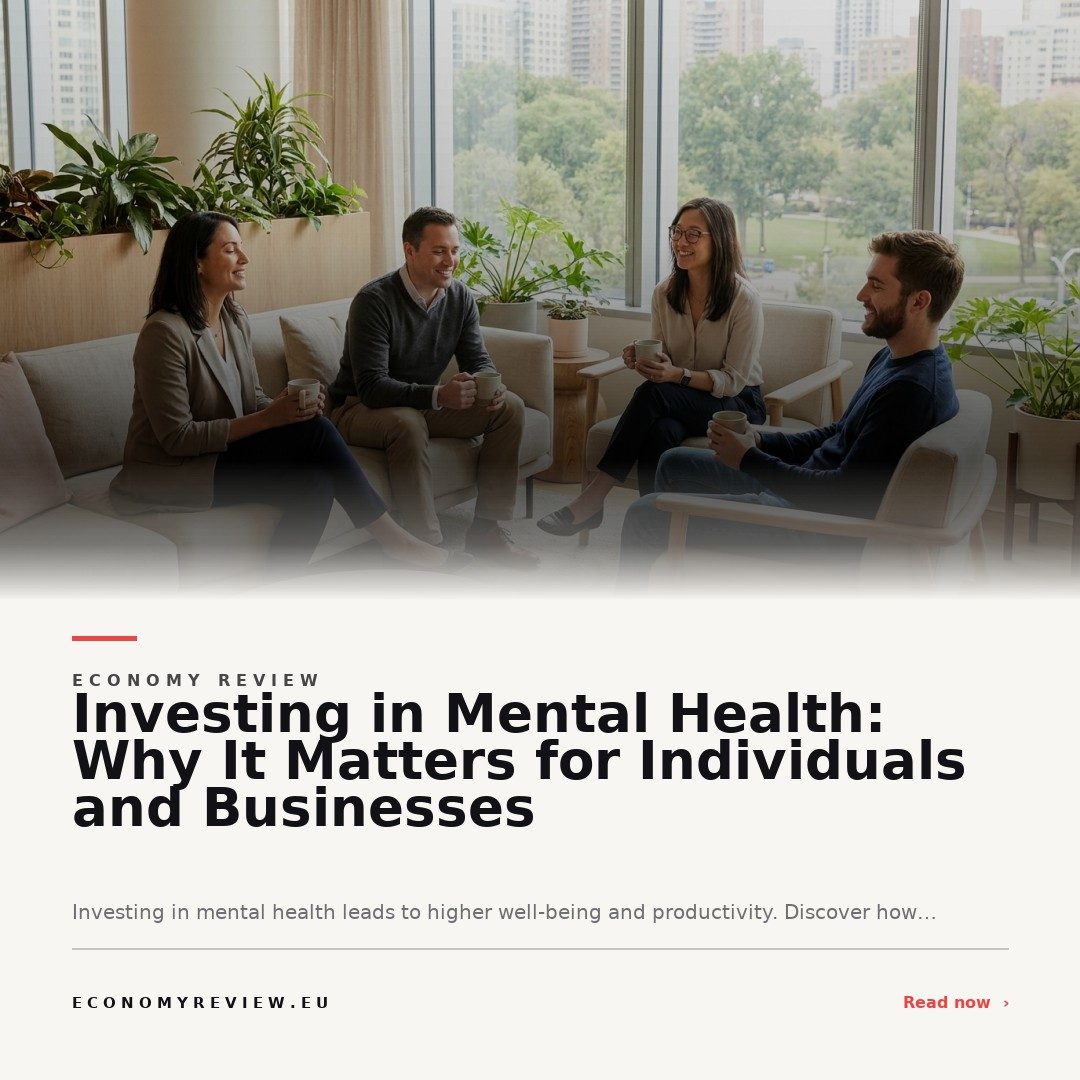

Prioritizing investment in mental health is crucial for sustainable well-being and productivity. Both individuals and organizations see significant returns, such as improved performance and reduced absenteeism, when mental health is supported and funded.
Investing in mental health is increasingly recognized as a strategic necessity for both individuals and organizations. By allocating resources to mental well-being, significant improvements can be achieved in productivity, employee satisfaction, and overall quality of life. This article explores the importance of investing in mental health, how it generates returns, and what practical steps can be taken to prioritize mental well-being.
- Prioritizing mental health results in greater well-being and workplace productivity.
- Both organizations and individuals benefit from investing in mental health resources and support systems.
- Strategic investments in mental health pay off through reduced absenteeism and enhanced performance.
What Does Investing in Mental Health Mean?
Investing in mental health refers to dedicating time, money, or effort to improve psychological well-being. This can involve funding counseling services, implementing workplace wellness programs, or building supportive environments. For individuals, it means seeking therapy, adopting mindfulness practices, or participating in stress reduction activities. For organizations, it involves creating policies and allocating budgets to initiatives that protect or promote employees' mental health. Investing in mental health is not just a cost—it's a value-generating action with measurable outcomes.
Why Is Investing in Mental Health Important?
Mental health is a cornerstone of overall well-being and productivity. High levels of stress, anxiety, and burnout can lead to absenteeism, reduced efficiency, and increased health care costs. Organizations that proactively invest in mental health demonstrate care for their staff, reduce turnover, and foster loyalty. For individuals, proper attention to mental health can improve resilience and satisfaction. The benefits go beyond the workplace; they extend to families and communities, reinforcing the importance of making mental well-being a collective investment.


How Does Mental Health Investment Impact Performance?
Investing in mental health leads directly to better work outcomes. Employees with access to mental health support are generally more engaged and less likely to leave their roles. Organizations with robust mental health programs typically experience lower rates of sick leave and higher productivity. The return on investment is realized in both tangible costs, such as decreased medical claims, and intangible benefits, such as improved morale and company reputation.
What Are the Main Strategies for Investing in Mental Health?
Effective investment in mental health involves a combination of policy-making, resource allocation, and cultural change. Many businesses now offer Employee Assistance Programs (EAPs), access to counseling, mindfulness workshops, and flexible work arrangements. Individuals can invest by prioritizing self-care, seeking professional help when needed, and building supportive social networks. Commitment at all levels, from leadership to entry-level employees, is essential for lasting impact. For more on stress reduction and resilience strategies for entrepreneurs in the business context, see this article on mental relief for entrepreneurs.
What Are the Typical Problems When Investing in Mental Health?
Despite growing recognition of its importance, investing in mental health faces significant challenges. Stigma remains a major obstacle—many individuals are reluctant to seek help for fear of judgment or negative career impact. Organizations may struggle to allocate sufficient budget for comprehensive programs, or may underestimate their return on investment. Often, mental health initiatives are treated as a "one-off" effort rather than an ongoing commitment. For practical approaches to reduce workplace stress and increase focus, see strategies for entrepreneurs facing stress.
Current Developments in Mental Health Investment (as of August 2026)
Awareness around mental health continues to rise globally in 2026. Companies are increasingly implementing holistic well-being programs, integrating digital mental health tools, and tracking mental health outcomes through anonymous surveys. Governments and large enterprises are beginning to mandate minimum mental health support standards. Private sector investment in wellness and digital mental health applications is also growing, driving innovation and accessibility.
How Does Mental Health Investment Pay Off?
The economic and social returns of mental health investment are widely acknowledged. Studies show that for every euro or dollar spent on mental health interventions, organizations see a multiple return through improved productivity and reduced healthcare expenditure. Investing in mental well-being helps create more cohesive teams, fosters innovation, and reduces the risk of costly work-related mental illnesses. For individuals, the investment yields personal growth, emotional stability, and greater long-term health.
Best Practices: How to Prioritize Mental Health in the Workplace and Beyond
The most successful strategies to invest in mental health involve sustained commitment and open communication. Regular mental health training, clear policies to protect staff, and leadership support all contribute to a supportive environment. For individuals, ongoing education about mental health and proactive stress management can make a substantial difference. Encouraging open dialogue and reducing stigma will remain keys to unlocking the full potential of mental health investment.
Conclusion: A Foundation for Sustainable Success
Investing in mental health is not just a trend—it's a necessary component of modern life and business. Whether you are part of an organization or acting as an individual, the benefits of prioritizing mental well-being are clear. By making mental health a focal point of investment, we all contribute to a more productive, resilient, and humane society.