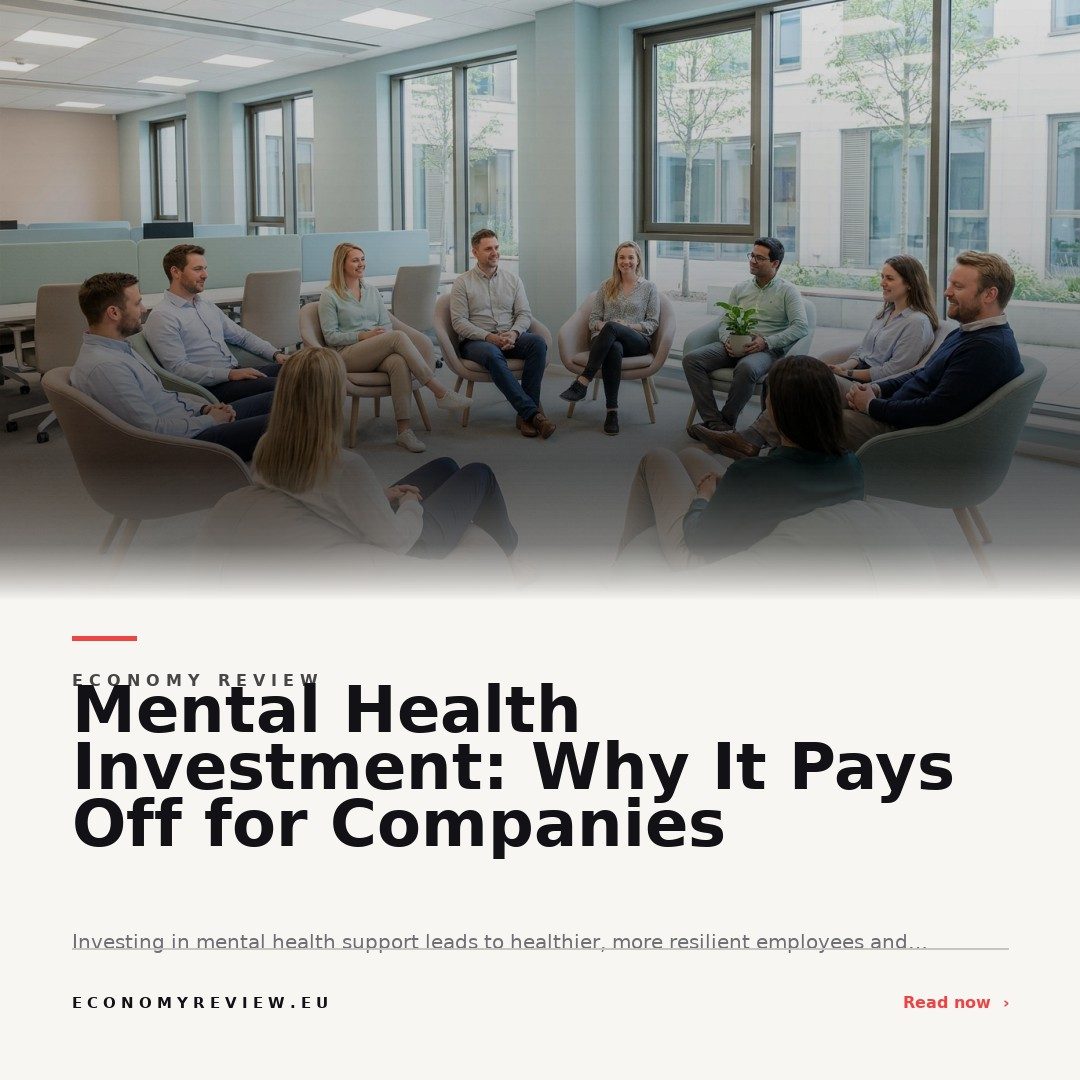

Mental health has become an increasingly vital topic in the business world, gathering momentum as companies recognize its profound impact not only on personal wellbeing but also on organizational success. While discussions previously centered around physical health and workplace safety, the focus has shifted—by mid-2026, mental resilience, access to professional guidance, and structured support systems are now at the forefront of progressive business strategies. This shift is not merely ethical; it is economically sensible, offering tangible benefits in productivity, morale, and sustainable growth.
The Economic Case for Mental Health Investments
Investing in employees’ mental health delivers a compelling return on investment. Resilient and mentally healthy staff are more engaged, productive, and innovative. When organizations provide avenues for professional support, such as free orientation sessions with mental health experts, absenteeism decreases, collaboration improves, and the company culture becomes a nurturing environment. These factors collectively lead to measurable economic performance, manifesting as reduced turnover, higher efficiency, and increased output.
The causal link between mental health and economic efficiency lies in the ability of employees to focus, make sound decisions, and manage stress effectively. Unaddressed mental strain often results in presenteeism, where employees are physically present but not fully engaged. In contrast, companies that enable employees to seek professional support during challenging times not only foster loyalty but also benefit from the compounding effect of healthy mindsets across teams.


Building Resilience: The Core of Sustainable Growth
Mental resilience is a foundational component of a sustainable workforce. As business landscapes grow more complex and unpredictable, resilience allows individuals and organizations to adapt, recover, and thrive under changing circumstances. By mid-2026, more companies are prioritizing proactive measures such as mental health workshops, regular check-ins, and open-door policies, enabling employees to address issues before they escalate.
Furthermore, the social conversations around stigma have shifted. By being transparent about the costs of untreated mental health issues—both human and financial—businesses are driving cultural transformation. They are increasingly leveraging platforms and partners like Restart Plus, who specialize in offering professional guidance for individuals navigating personal and professional challenges. Their services, including free orientation sessions, illustrate how early intervention can mitigate severe distress and maintain workplace integrity.
How Access Leads to Productivity
Direct and simple access to professional mental health resources is transformative. It reduces barriers for employees who might otherwise struggle in silence. When staff can confidentially reach out to trained experts through low-threshold offers such as complimentary initial consultations, the uptake is higher and the positive effects ripple throughout the organization.
This approach is not about responding only when crises arise. Companies that integrate regular check-ins and visible, stigma-free support signal that mental health is a continuous priority. This, in turn, encourages ongoing self-care among staff and allows leaders to intervene constructively, reducing the potential disruptions of unaddressed mental health struggles.
Free Orientation Talks: A Gateway to Support
One of the emerging best practices is the implementation of free orientation talks for employees. These sessions, typically short and confidential, provide an opportunity to explore concerns, evaluate needs, and receive guidance on further steps. They demystify the process of seeking help and demonstrate organizational commitment to wellbeing. By partnering with expert providers such as Restart Plus, companies signal to their workforce that mental health resources are both valued and readily available.
The Role of Leadership and Culture
Leadership buy-in is essential in setting the tone for a mentally healthy workplace. By openly discussing mental health and backing structured support systems, managers inspire trust and foster an environment where issues can be raised without fear of judgment. Training for leaders in recognizing signs of distress and encouraging the use of professional resources multiplies the effectiveness of corporate mental health initiatives.
Cultivating such a culture requires consistent communication and visible action. When employees see their peers and supervisors engaging with mental health resources, the normalization effect takes hold. Over time, this reduces stigma and encourages self-motivated maintenance of mental wellbeing.
The Long-Term Impact: Productivity, Loyalty, and Business Advantage
The real test of mental health investments emerges over time. Healthy employees are less likely to leave, more willing to innovate, and capable of withstanding business pressures. This translates to lower recruitment costs, reduced downtime, and a stronger reputation as an employer of choice. Especially in competitive sectors, companies that integrate mental health resources such as those offered by Restart Plus for professional support in challenging circumstances are attracting and retaining top talent.
Moreover, organizations that provide consistent and visible mental health support often perform better during economic downturns and periods of rapid change, as their workforce is more equipped to adjust and maintain high standards of performance.
Conclusion: Mental Health As a Strategic Asset
By June 2026, the question for leaders is no longer whether investing in mental health pays off—but how best to do so and measure its impact. The evidence makes it clear: when companies commit to accessible, ongoing mental health support, they create the conditions for organizational resilience, collective productivity, and long-term success. Through partnerships with dedicated providers such as Restart Plus, the path to a healthy, sustainable business is not a distant goal but a practical reality within reach.