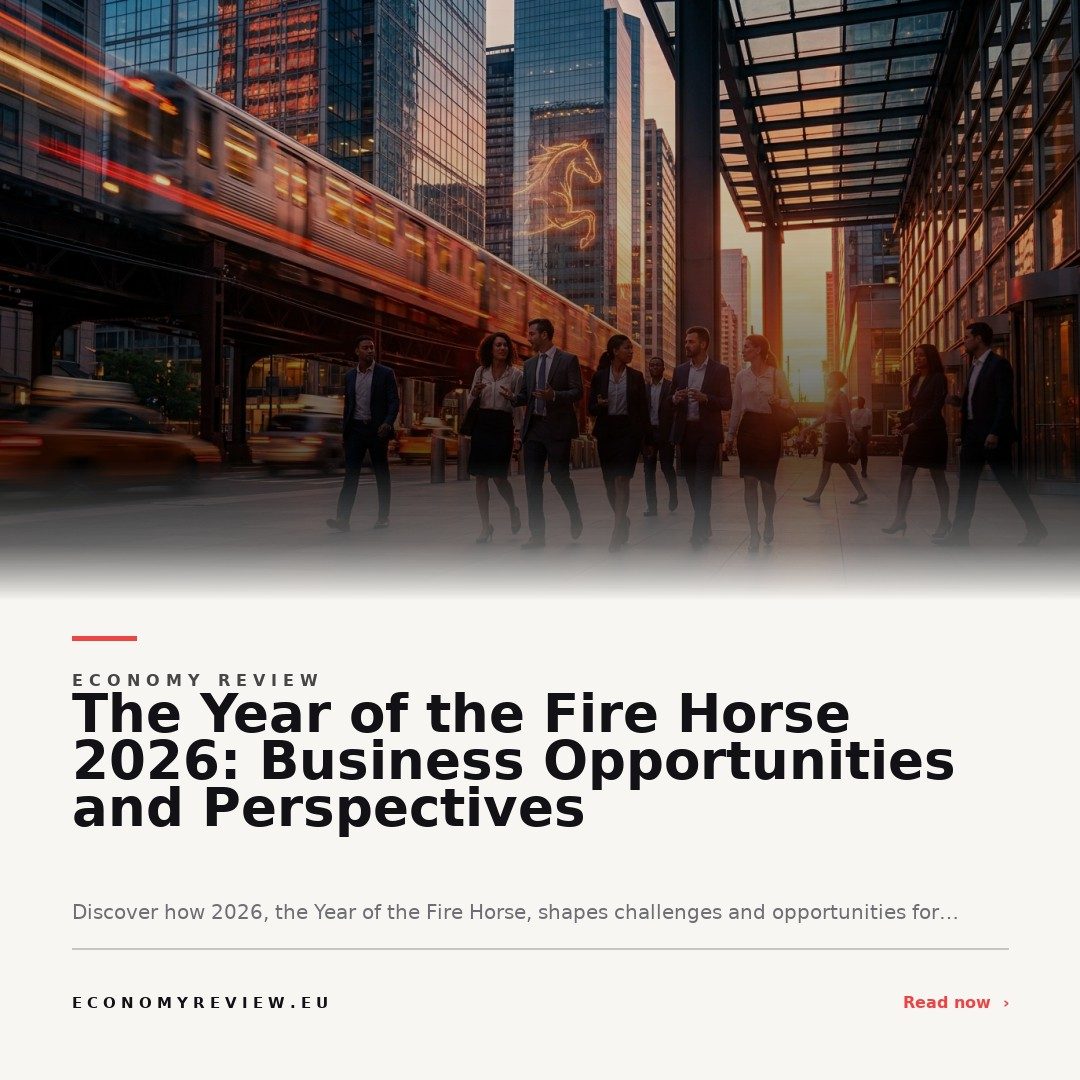

The Year of the Fire Horse in 2026 presents a rare intersection of economic momentum, cultural symbolism, and operational shifts for businesses globally. Marked by dynamism, unpredictability, and transformative energy, 2026 demands that companies remain agile, forward-thinking, and strategic in positioning themselves for growth and resilience. Against the backdrop of post-pandemic recovery and rapid technological adoption, the Fire Horse year serves as both a catalyst and a test for organizations willing to harness risk for innovation.
- The Fire Horse year symbolizes rapid change and bold decision-making.
- Opportunity and volatility mark many business sectors in 2026.
- Embracing innovation and cultural awareness is critical for companies.
What Does the Fire Horse Year Mean for Businesses?
The Fire Horse year, according to the Chinese zodiac, recurs every 60 years and traditionally embodies fierce energy, rapid developments, and seismic shifts. In business contexts, this translates into fast-moving market trends, disruptive innovations, and considerable opportunities for those ready to act decisively. Entrepreneurs and executives must balance caution and courage as they navigate a landscape that rewards calculated risks and punishes hesitation.
Economic Climate and Growth Sectors in 2026
As of mid-2026, the economic mood is moderately optimistic with significant growth in technology, green energy, and digital services. Startups and established firms alike are leveraging new market conditions, digital transformation, and sustainability initiatives to outpace competitors. Economic expansion is accompanied by growing complexity in regulatory environments and global competition, requiring organizations to stay abreast of new compliance standards and market expectations. For a comprehensive outlook, see Wirtschaftsausblick 2026: Trends, Herausforderungen und Chancen.


Strategic Positioning: Adapting to Instability
Businesses in 2026 face frequent shifts in consumer demand, supply chain volatility, and unpredictable geopolitical influences. The Fire Horse year emphasizes the importance of strategic foresight, scenario planning, and adaptable business models. Companies that adapt quickly to sudden changes—whether in technology, regulation, or customer behavior—are better equipped to seize emerging opportunities. Agility in decision-making and operations is paramount for survival and growth.
The Impact of Cultural Symbolism
While not universally adopted, the symbolism of the Fire Horse often inspires business leaders, especially in markets where Chinese cultural influences are strong. The year’s reputation for influencing high-stakes decisions affects investor confidence, consumer sentiment, and team morale. Embracing the mythos can serve as a motivational tool, promoting resilience and collective ambition as teams tackle ambitious goals and manage risk under pressure.
Innovation as a Core Driver
Innovation becomes a central pillar in the Fire Horse year. Organizations are pressed to integrate advanced technology, like artificial intelligence and automation, to boost productivity and create competitive advantages. Early adopters of cutting-edge tools such as machine learning or remote collaboration platforms are expanding their reach and efficiency, fueling sectoral transformations. For a deeper dive into practical AI adoption, refer to Künstliche Intelligenz Anwendung: Praxis, Chancen und Herausforderungen.
Regulatory Developments and Compliance
With fast-paced innovation comes increased scrutiny from regulators. Many regions tighten compliance requirements, especially regarding cybersecurity and data protection. The European Union’s NIS2 Directive, for example, impacts operations across sectors and sets new obligations. Businesses operating within or trading with the EU must ensure compliance ahead of looming deadlines. Relevant insights are available in NIS2-Richtlinie in Österreich: Die entscheidenden Fakten für Unternehmen bis September 2026.
Seizing New Market Opportunities
Market entry in 2026 is defined by both unprecedented opportunities and formidable barriers. Sectors like renewable energy, health tech, and fintech are particularly dynamic. Success depends on thorough market analysis, the ability to pivot business strategies, and understanding nuanced regulatory landscapes. Entrepreneurs must weigh risk against potential reward, factoring in both financial and reputational stake. Useful guidance for new ventures is detailed in Markteintritt: Optionen, Chancen und Herausforderungen für Unternehmen.
Navigating Financial Strategies
Financial resilience is key in a high-energy year like 2026. Diversified investments and prudent risk management support long-term stability. Exchange-traded fund (ETF) savings plans and other modern investment vehicles attract attention, especially among smaller enterprises and startups seeking reliable growth with lower overhead. Strategic financial planning counters the volatility inherent in the Fire Horse year’s fast pace. Learn more about tailored savings vehicles at ETF-Sparpläne für kleine Anlagen: Einstieg, Chancen und Tipps.
Leadership in Times of Rapid Change
Leadership credibility and team cohesion face constant tests. Transformative years like that of the Fire Horse expose both strengths and weaknesses in management. Inspirational leaders foster a culture of adaptability, empowering employees to innovate and collaborate across functions. Transparent communication and decisive action are critical, guiding organizations through periods of uncertainty and rapid transformation.
Outlook and Sustainable Growth
As 2026 continues, companies that approach challenges with curiosity, resilience, and strategic foresight are poised for sustainable success. The Fire Horse year, while turbulent, is also a period of reinvention and opportunity. Business leaders should view this unique time not as a threat, but as a platform to reimagine products, cultures, and markets for the next decade of prosperity. What new directions will your company embrace, and how will you shape the future forged in the fire of 2026?