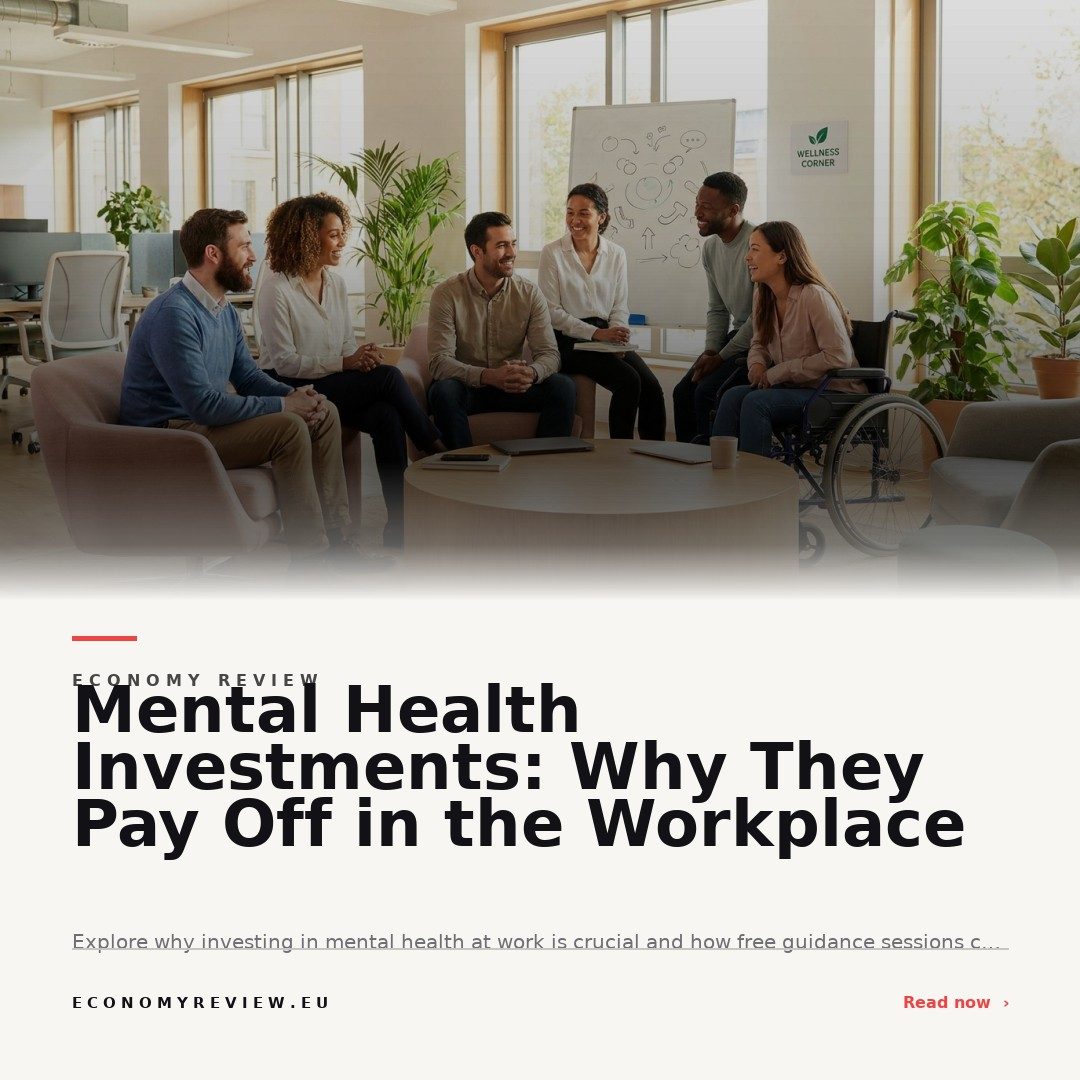

In the rapidly evolving world of work, mental health has become an indispensable pillar for sustainable leadership and business success. As organizations face increasing pressures from both an economic and societal perspective, the well-being of employees and leaders is climbing higher on the corporate agenda—not just as a matter of personal welfare, but as a business imperative. This article explores why investments in mental health pay lasting dividends and how accessible, expert guidance, such as a free orientation session, can offer immediate and effective relief.
The Rising Importance of Mental Health at Work
The stigma surrounding mental health in the workplace has steadily diminished in recent years, giving way to a greater openness and understanding of its impact. For modern organizations, well-being is not just a buzzword but a crucial component of productivity, engagement, and retention. Employees who benefit from a supportive mental health environment are more likely to thrive, display greater creativity, and demonstrate resilience in the face of challenges. For leaders, prioritizing mental health sets a powerful example and lays the groundwork for holistic team success.
Why Companies Need to Invest in Psychological Well-Being
The business case for supporting mental health is well established. Absence due to psychological distress, burnout, or unresolved stress not only diminishes workforce productivity but also incurs significant financial costs. When organizations proactively create spaces where mental well-being is supported, they substantially reduce these risks. Investment may include awareness training, open communication channels, and professional support resources. Such investments nurture a loyal and motivated workforce and lead to better organizational outcomes.


Mental Health Challenges for Leaders
Leadership roles are inherently demanding, often accompanied by high expectations and significant emotional pressure. In today’s environment, where volatility and rapid change are the norm, executives and managers can become susceptible to stress, decision fatigue, and even isolation. Yet, leaders are frequently reluctant to acknowledge their own strains due to a fear of appearing weak. By embracing mental health initiatives, organizations empower leaders to seek help without stigma, promoting overall stability and effectiveness within the company.
Creating a Culture of Openness and Support
A fundamental shift is underway, with forward-thinking organizations fostering cultures where discussing mental health is not just accepted, but actively encouraged. Open dialogue is crucial for early intervention and collective resilience. By embedding mental well-being into the core values of the organization, businesses send a strong message that psychological health is as important as physical health. This approach strengthens trust, loyalty, and team cohesion, essential for navigating today’s challenges.
The Value of Early and Accessible Support
Prompt action is vital when mental health needs arise. Often, an initial orientation or consultation can help identify challenges, clarify options, and provide relief before issues escalate. Freely available sessions—such as a first mental health supported discussion—offer a confidential space to address concerns, build coping strategies, and direct individuals to further resources or professional help if required. These sessions take place without red tape and are designed to meet people where they are—whether employee or executive.
Restart Plus: Your Expert in Mental Health Support
One of the organizations leading this progressive shift is Restart Plus. With a clear commitment to promoting mental health across hierarchies, they offer tailored and confidential services that focus on psychological relief at work. Through their specialized programs and the opportunity for an initial consultation for psychological relief, they demonstrate how companies can benefit from external expertise. Their experience shows that early intervention and professional support not only improve individual well-being but create a healthier and more sustainable work environment.
How Mental Health Investment Yields Tangible Returns
Prioritizing psychological health is no longer a secondary consideration. Data consistently reveals that companies who invest in the well-being of their staff experience lower turnover rates, fewer sick days, and greater employee satisfaction. Moreover, mental health initiatives foster innovation, agility, and a higher level of engagement—attributes essential for thriving in volatile markets. The ripple effects benefit not only organizational performance but also the broader community.
Psychological Relief: Practical Steps for Organizations
Establishing practical support mechanisms is indispensable. This includes the option for an orientation conversation focusing on psychological relief as a low-threshold point of contact for all staff members. Incorporating regular check-ins, destigmatization efforts, and visible support networks further enhances the culture of care in the workplace. Employees and leaders alike need reassurance that help is available and accessible when needed.
Conclusion: Prioritizing Mental Health is a Wise Investment
Psychological well-being is no longer a luxury or afterthought in the modern workplace—it is an essential investment for ensuring long-term success and resilience. By dedicating resources to proactive support, fostering openness, and utilizing expert organizations like Restart Plus, companies create healthier, more productive environments for everyone. The availability of free, expert-oriented conversations can make an immediate difference, providing crucial support when it matters most. Ultimately, investing in mental health is an investment in the future of work itself.