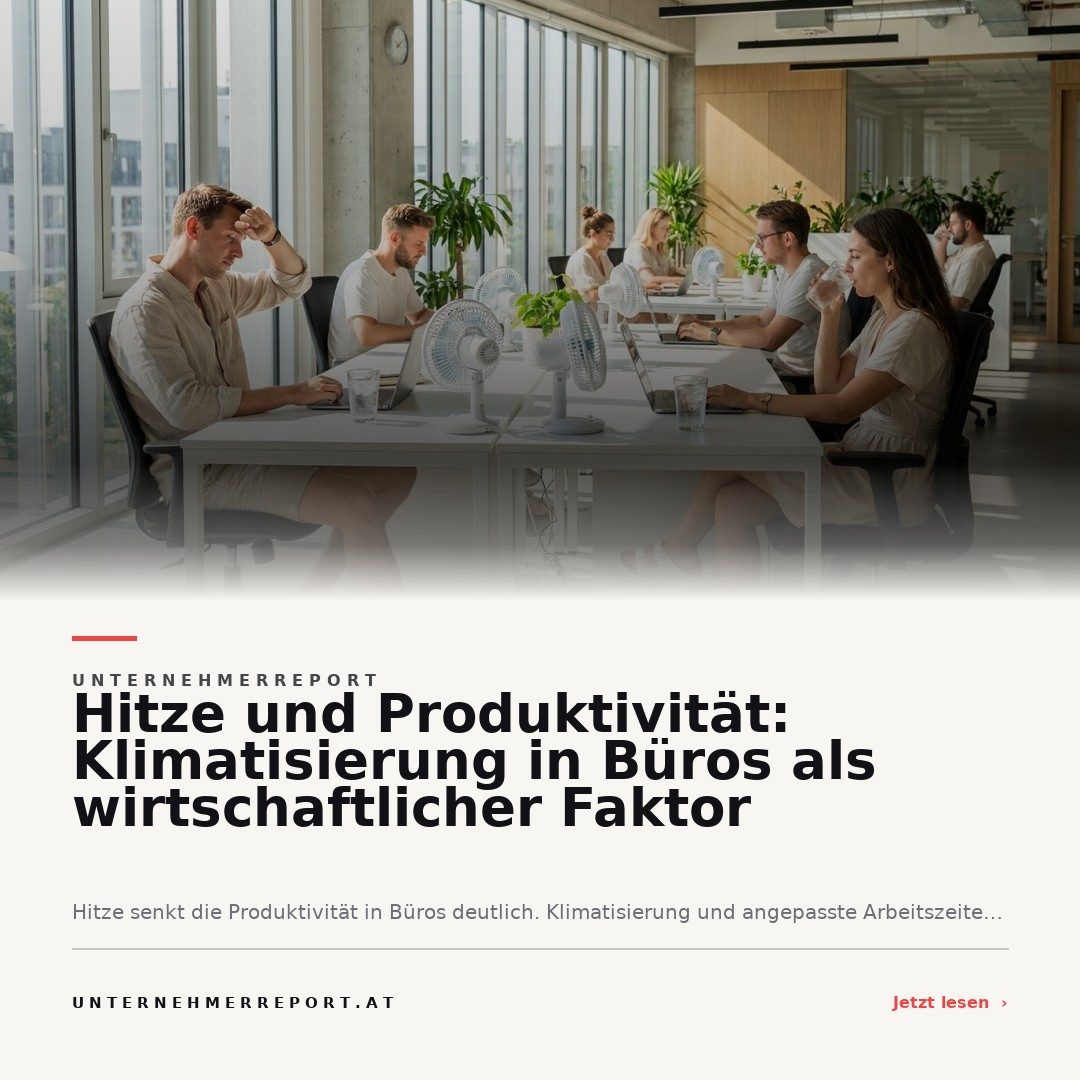
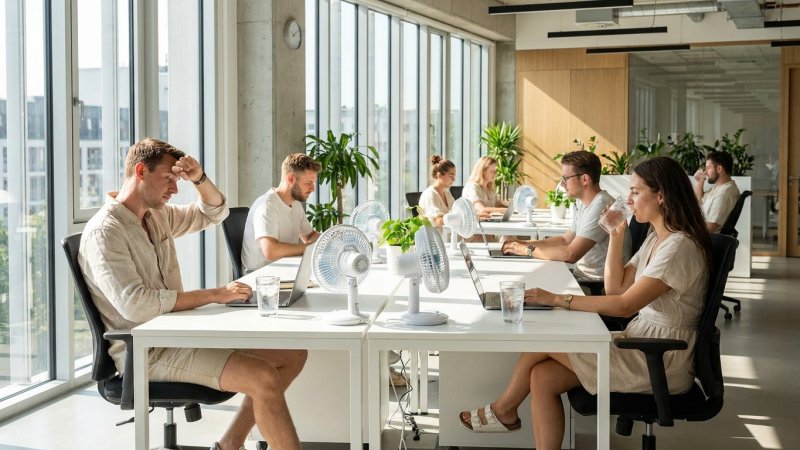
As European summers grow hotter, Germany faces unprecedented heatwaves with temperatures pushing 37°C. While such weather is typical for southern Europe, the economic and operational consequences of high heat levels are now sharply evident in German offices. How does heat affect productivity, and what can companies do to protect their employees and performance?
The Productivity Cost of Overheated Workspaces
Though office tasks may not be physically intense, elevated temperatures heavily diminish mental focus and work accuracy. Research, including a recent Allianz Trade report, demonstrates that every degree above 30°C cuts productivity by approximately 3%. At scale, this equates to significant losses for businesses and the wider economy, with forecasts suggesting costs exceeding 110 billion euros should extreme summer patterns continue. Besides immediate drops in efficiency, heat also drives up sick leave by around 6% on peak days, compounding annual productivity setbacks.
Cooling Solutions and Adaptive Work Schedules
Southern European approaches such as long mid-day breaks (siesta) offer inspiration, triggering a debate in Germany on the viability of earlier work hours and extended lunch pauses. Supporters highlight productivity retention, while critics urge tailored sector-specific approaches rather than blanket changes to labor law. More directly, cooling infrastructure is becoming vital. Updated German regulations require action if indoor temperatures exceed 26°C, and mandate alternative arrangements or office closures if 35°C is surpassed. However, many offices still lack adequate air conditioning, resulting in ongoing discomfort and lost productivity.


Common Barriers for German Workplaces
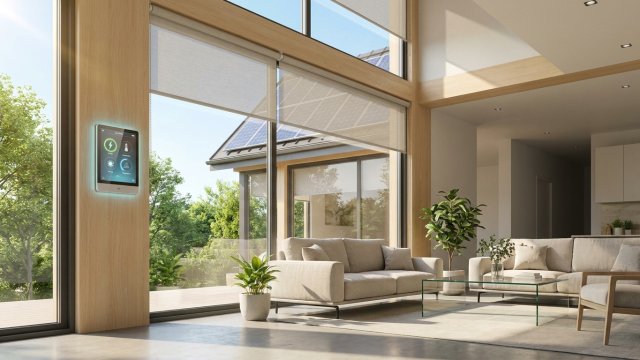
Practical challenges include budget restrictions discouraging investment in new cooling systems and uncertainty over legal responsibilities. Open-plan office designs can amplify noise from climate control equipment, while simple solutions like open windows provide only fleeting relief. Overreliance on air conditioning puts additional strain on energy networks, raising operating costs—an acute issue for SMEs. Smart building solutions that optimize energy use and cooling are increasingly relevant for sustainable, cost-effective climate control.
Employment Law and Protective Measures
German laws obligate employers to diminish workplace heat risks; steps can range from installing fans and providing cold drinks to arranging flexible locations or remote work. While temperatures over 35°C render a space unsuitable, there’s no absolute right to leave work due to heat—employee health must be safeguarded, but within regulated practical limits. Ongoing policy debate weighs the merits of legislated breaks versus customized safeguards, and labor unions advocate flexible, context-aware solutions.
Rethinking Buildings and Urban Spaces
Long-term resilience requires more than immediate interventions. Urban greening, reflective building exteriors, and shaded communal spaces—standard in Mediterranean cities—are gaining traction in German planning. Investment in eco-friendly, climatically adaptive workspaces promises both greater comfort and economic stability, especially as employers seek to maintain performance and employee well-being.
Corporate Responsibility for Health and Well-being
Heat is not a minor inconvenience: it undermines sleep, attention, and overall health, necessitating robust employer responses. Technical upgrades and flexible working models reduce risk, but personal responsibility—hydration, sufficient breaks, self-monitoring—remains important. A comprehensive approach, with shared responsibility between employer and staff, best supports ongoing motivation and capacity during the hottest months.
Trends Among Companies and Policymakers
In 2026, adaptation to heat is fast becoming standard practice. While large enterprises often move rapidly to implement smart cooling initiatives, smaller organizations face greater financial and logistical barriers. Government support for energy-efficient renovations and ongoing discussion around modernized work models reflect the urgency—and complexity—of building climate resilience into German business culture.
Conclusion: Climate Adaptation as Competitive Advantage
Heatwaves now pose a substantial threat to German office productivity, demanding decisive investment in climate control and modern employment models. Proactive employers who prioritize smart infrastructure and adaptive work policies not only foster employee well-being but also secure long-term competitiveness. As hotter summers loom, making offices heat-resilient is essential for sustainable economic success.