Sticking to fitness resolutions remains a major challenge, even as new techniques and motivation trends emerge for 2026. The key to long-term success lies in realistic goal-setting, consistency, and understanding the personal triggers that may lead to setbacks. Individuals who want to fundamentally change their health and activity levels this year are advised to focus on sustainable, customized strategies for maintaining and surpassing their fitness objectives.
- Clear, achievable goals are crucial for long-term fitness success.
- Motivation and routine go hand in hand—find enjoyable activities.
- Tracking progress keeps you accountable and boosts commitment.
- Flexibility and adaptation help overcome inevitable setbacks.
- Support systems increase your chances of lasting change.
Why Fitness Resolutions Often Fail
Every January and July, gyms fill up with people determined to make a fresh start. However, by February, many lose their momentum. Often, this results from setting overly ambitious targets without a solid plan or genuine motivation. The difference between inspiration and implementation is typically a question of preparation, adaptability, and clarity on what really drives the individual. In 2026, the abundance of fitness apps and digital support tools offers new opportunities, but also new distractions, which can make it harder to focus and stick to intentions unless you choose the tools that truly match your personality and lifestyle.
Setting Realistic Goals for 2026
Success starts with setting goals that fit your current abilities and routine. Instead of radical overnight changes, gradual adjustments in workout frequency, nutrition, and sleep are more sustainable. In 2026, many people have found that micro-habits—such as 10-minute walks or daily stretching—are more successful steps than promising themselves hour-long gym sessions immediately. These small victories compound over time, building confidence and ingrained habits.


The Role of Motivation and Enjoyment
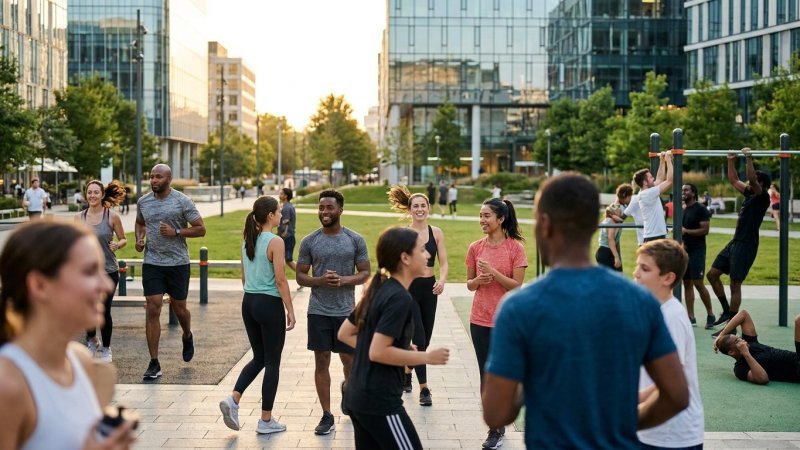
Enjoyment is a secret weapon in the quest to keep fitness resolutions. Trying out different sports, group classes, or outdoor activities increases the chances of discovering an exercise you genuinely look forward to. In 2026, fitness communities—both virtual and local—are playing an increasingly important role in maintaining momentum. Shared experiences, gamification, and friendly competition can transform your fitness journey from a solitary struggle into a social highlight.
Tracking Progress and Celebrating Milestones
Modern technology makes it easier than ever to track your achievements and stay accountable. Wearable devices, fitness trackers, and goal-setting apps allow you to visualize your improvements, monitor consistency, and adjust your plan as needed. Celebrating milestones—no matter how small—reinforces your commitment. Psychological research continues to show that positive reinforcement raises the likelihood of sticking to new routines, supporting the effectiveness of reward-based systems in 2026.
Building Routine Amid Life's Demands
Many people struggle when life gets busy or unexpected events disrupt their schedules. Prioritizing your health means weaving fitness into your daily life, not treating it as an extra. Scheduling workouts at regular times and treating them as non-negotiable appointments is often a turning point. In 2026, flexible workout plans and digital coaching are helping people personalize fitness to their fluctuating circumstances, making it easier to adapt rather than abandon their goals.
Overcoming Setbacks and Staying Flexible
No resolution journey is obstacle-free. Illness, travel, stress, or even boredom can hinder progress. Successful fitness enthusiasts in 2026 are those who see a setback as a temporary pause, not a failure. They have strategies for damage control—such as home workouts when traveling or mindful eating during social events—and return to their routine without self-criticism.
The Power of Support Systems
Family, friends, and fitness communities provide encouragement and accountability. Opening up about your fitness goals can increase your sense of responsibility, while group exercise or online forums offer both knowledge and companionship. In 2026, digital support systems like fitness challenges, accountability partners, and expert-led chat groups are more accessible than ever, making it easier to connect with people who share your commitment.
Integrating Fitness into a Balanced Lifestyle
Lasting change comes from making fitness part of a healthier and more enjoyable lifestyle, rather than treating it as a temporary fix. Nutrition, sleep, and stress management are just as critical as workouts. Building routines that naturally fit into social and professional obligations increases your odds of maintaining them. In the year 2026, holistic health models that consider the whole person—physical, mental, and emotional—are gaining popularity and showing strong results.
Connecting Fitness Goals to Broader Ambitions
Many find long-term motivation by linking fitness resolutions to larger personal or professional ambitions. Whether you want to increase energy for family activities, boost concentration at work, or participate in community sports events, tying fitness to specific outcomes can give your efforts lasting meaning. As more people embrace remote work and digital lifestyles in 2026, integrating movement into everyday routines is both a challenge and an opportunity for growth.
Learning from the Past, Looking to the Future
Reviewing your previous attempts—whether successes or stumbles—provides valuable insight into what works for you. Reflecting on triggers, patterns, and personal victories can inform a more effective approach for 2026. With technology evolving and health awareness rising, there are more ways than ever to tailor fitness routines to individual needs. Successful goal achievement often comes down to adaptability, curiosity, and persistence.
Outlook: Your Path to Lasting Change in 2026
The path to achieving fitness resolutions in 2026 is diverse and highly individual. The strongest outcomes are realized when people embrace realistic targets, seek joy in the process, and allow for evolving plans. By integrating fitness into the rhythm of your life and leveraging the latest support options, reaching—and sustaining—your health goals is entirely within reach. Now is the perfect time to define what fitness means to you and chart your own course for success.