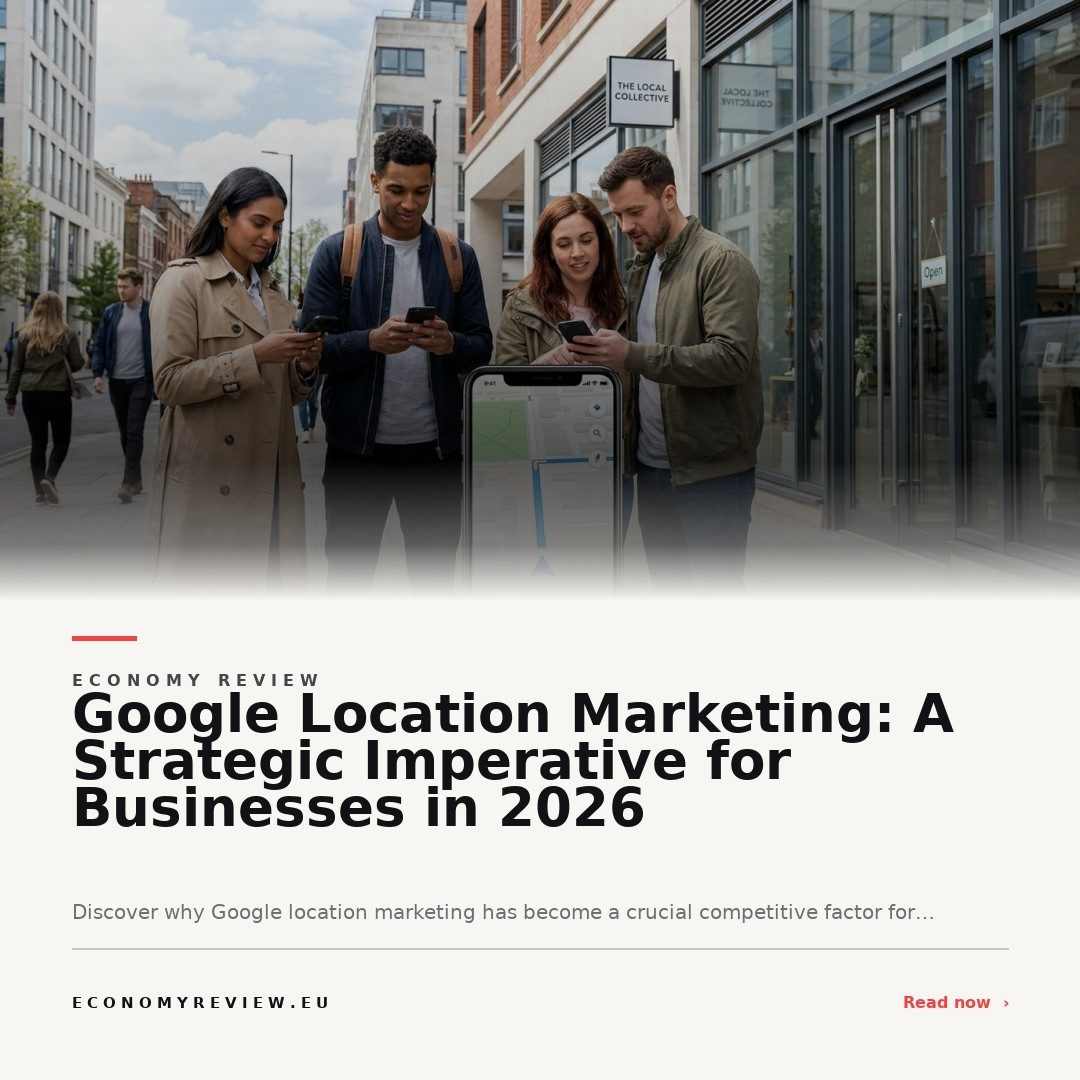
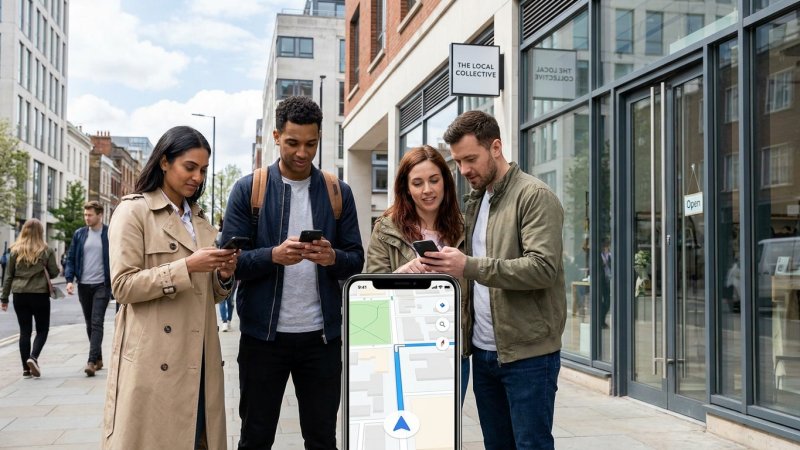
Google location marketing is now a fundamental necessity for businesses seeking relevance and growth in 2026. As digital touchpoints increasingly intersect with the customer's physical life, appearing on Google Maps and local searches is no longer optional but vital for revenue, visibility, and trust. The imperative is clear: businesses that ignore location marketing risk falling behind in a marketplace where consumer intent and geo-specific relevance drive every decision.
- Google Maps and Search are the primary gateways for customers to find businesses locally.
- Accurate, optimized business profiles enhance credibility and drive foot traffic.
- Continuous updates and active management are now needed to stay ahead of competitors.
How Google Location Marketing Shapes Customer Decisions
Google has transformed local discovery. Most purchasing decisions begin with a search, and a large proportion are tied to a specific location. For brick-and-mortar stores, service providers, and even B2B companies with regional presence, being discoverable on Google Maps and Search is now the first business card handed to potential clients. These platforms showcase not only where a business is, but also provide vital touchpoints such as opening hours, reviews, images, and directions, making them a linchpin of trust and conversion.
Building Trust and Visibility Through Local Presence
Trust is earned through visibility and credibility. A verified and actively managed Google Business Profile communicates professionalism and reliability. Customers routinely check reviews and photos before making a visit, and recent changes in algorithms prioritize engagement and up-to-date information, rewarding those who invest in frequent profile maintenance. Incorrect or neglected information can actively harm reputation, leading to lost opportunities and reduced visibility. In 2026, customers expect a seamless journey from online search to offline visit, and businesses must ensure every digital detail is accurate and appealing.


The Evolution of Consumer Search Behavior
Search behaviors continue to evolve toward greater specificity and intent. Voice queries, mobile searches, and AI-powered assistants have led to a rise in hyper-local and question-based queries. Consumers want immediate answers—directions, whether a store is open, or which businesses offer a particular product nearby. Google’s algorithm dynamically adapts to these behaviors, favoring active, information-rich profiles. Thus, routine updates, responding to reviews, and curating visual content are no longer just extras—they are necessities for ranking and conversion.
Competitive Advantages in Modern Location Marketing
Embracing Google location marketing delivers measurable business advantages. The ability to stand out against both direct competitors and large platforms hinges on managing digital touchpoints—especially for chains or businesses with multiple branches. Centralized management tools, automation, and analytics help ensure consistency and allow businesses to respond rapidly to changes in consumer movement patterns, events, or seasonal shifts. Insights gleaned from analytics inform smarter campaigns and more personalized promotions, giving proactive companies a decisive edge.
Challenges and Solutions in Location Marketing
Despite the opportunities, challenges exist. Businesses often struggle with consistency—keeping address, hours, and service information correct across all branches, or integrating changes swiftly when circumstances demand. Reputation management poses another hurdle; negative reviews or misinformation can spread rapidly. The solution is a dedicated process and even leveraging third-party tools to automate updates, monitor feedback, and coordinate across teams. Regular audits of profile content guard against outdated entries, and staff training ensures everyone understands their role in digital reputation management. For businesses entering or expanding in new regions, attention to local search trends and adaptation to local language and culture are crucial. For further insights into entering new markets, see market entry options and challenges.
Integrating Location with Broader Marketing Strategies
Google location marketing should not be seen in isolation. Integrating location data and feedback into marketing, customer service, and even product development can drive holistic improvement. For instance, location-specific campaigns or promotions can be tailored to neighborhoods, leveraging foot traffic predictions or community events. Data collected through location marketing can also inform digital advertising, loyalty programs, and supply chain planning, reinforcing an omnichannel approach suited for 2026.
Outlook: The Future of Google Location Marketing
In the coming years, advanced technologies—from AI-generated business insights to augmented reality navigation—will continue to shape location marketing. Early adopters experimenting with immersive experiences, interactive reviews, or real-time service notifications are poised to capture new market segments. The key is agility—adapting quickly to algorithm updates, consumer preferences, and technological innovations. For companies that take location marketing seriously, the rewards include greater relevance, stronger brand loyalty, and sustainable growth.
Conclusion
Today, Google location marketing is not just a trend but a cornerstone of business strategy, dictating success in the modern marketplace. Businesses that prioritize and invest in this area ensure their discovery, trustworthiness, and competitiveness for the years ahead. As the landscape evolves, only those with a proactive, data-driven approach will thrive. Is your business visible, trusted, and ready for the next wave of digital-local integration?