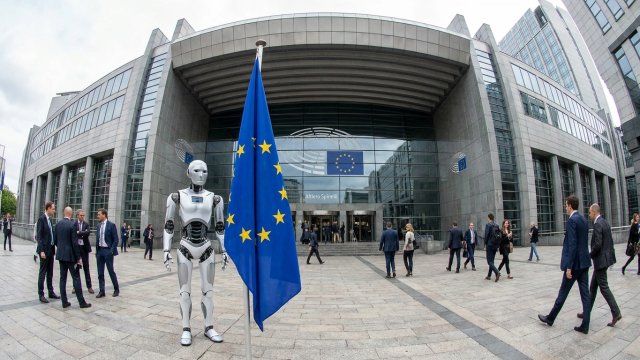
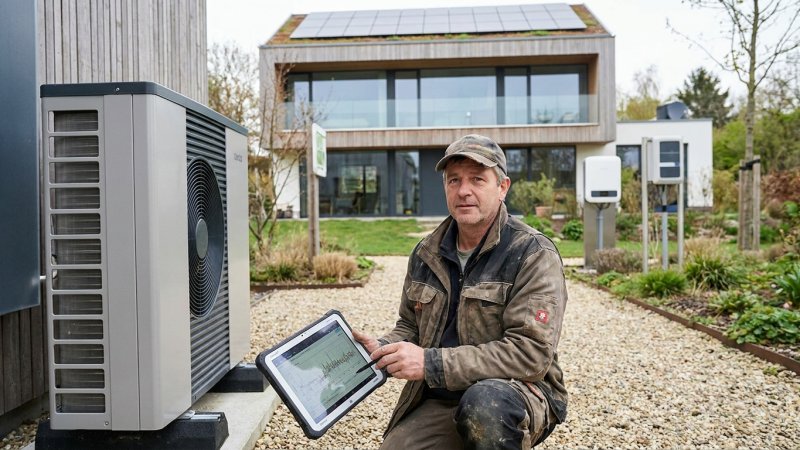
Craftsmanship and artificial intelligence are merging to accelerate the heat transition, enabling smarter energy systems, efficient project execution, and sustainable solutions. This partnership strengthens the skilled trades while making decarbonization of heating both practical and scalable across industries and communities.
Craftsmanship and artificial intelligence (AI) are proving to be a powerful combination for driving the heat transition. As the demand for decarbonized heating solutions rises in 2026, these two fields are increasingly intersecting, delivering smarter and more sustainable outcomes. The integration of AI with skilled trades not only enhances productivity but paves the way for efficient, scalable, and user-centric energy solutions. This synergy is crucial for overcoming various challenges on the path to a climate-friendly heating future.
- AI empowers skilled trades with data-driven insights and automation.
- Collaborative approaches foster innovation and speed in the heat transition.
- Modern craftsmen adapt by integrating digital skills into traditional workflows.
What Is the Heat Transition and Why Does It Matter?
The heat transition, also known as "Wärmewende" in German-speaking countries, refers to the systemic shift from fossil-fuel-based heating to renewable and low-emission thermal energy sources. Its primary aim is to reduce greenhouse gas emissions from residential, commercial, and industrial heating. In 2026, this transformation is central to national and European energy strategies, supporting climate targets while driving innovation in the building sector. The transition is not simply about switching fuels – it encompasses holistic changes in infrastructure, technologies, skills, and mindsets. Success demands both technical solutions and expertly executed craftsmanship, coordinated in a way that meets diverse local needs.
How Does AI Support the Skilled Trades in the Heat Transition?
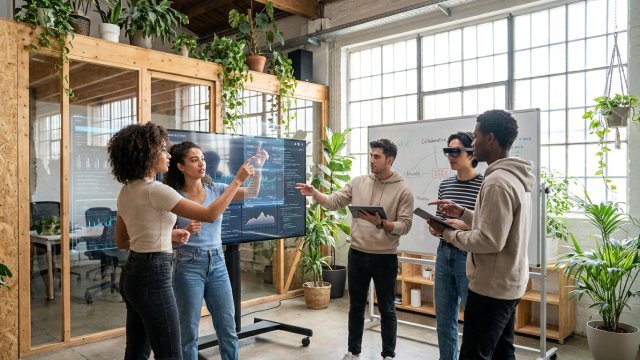
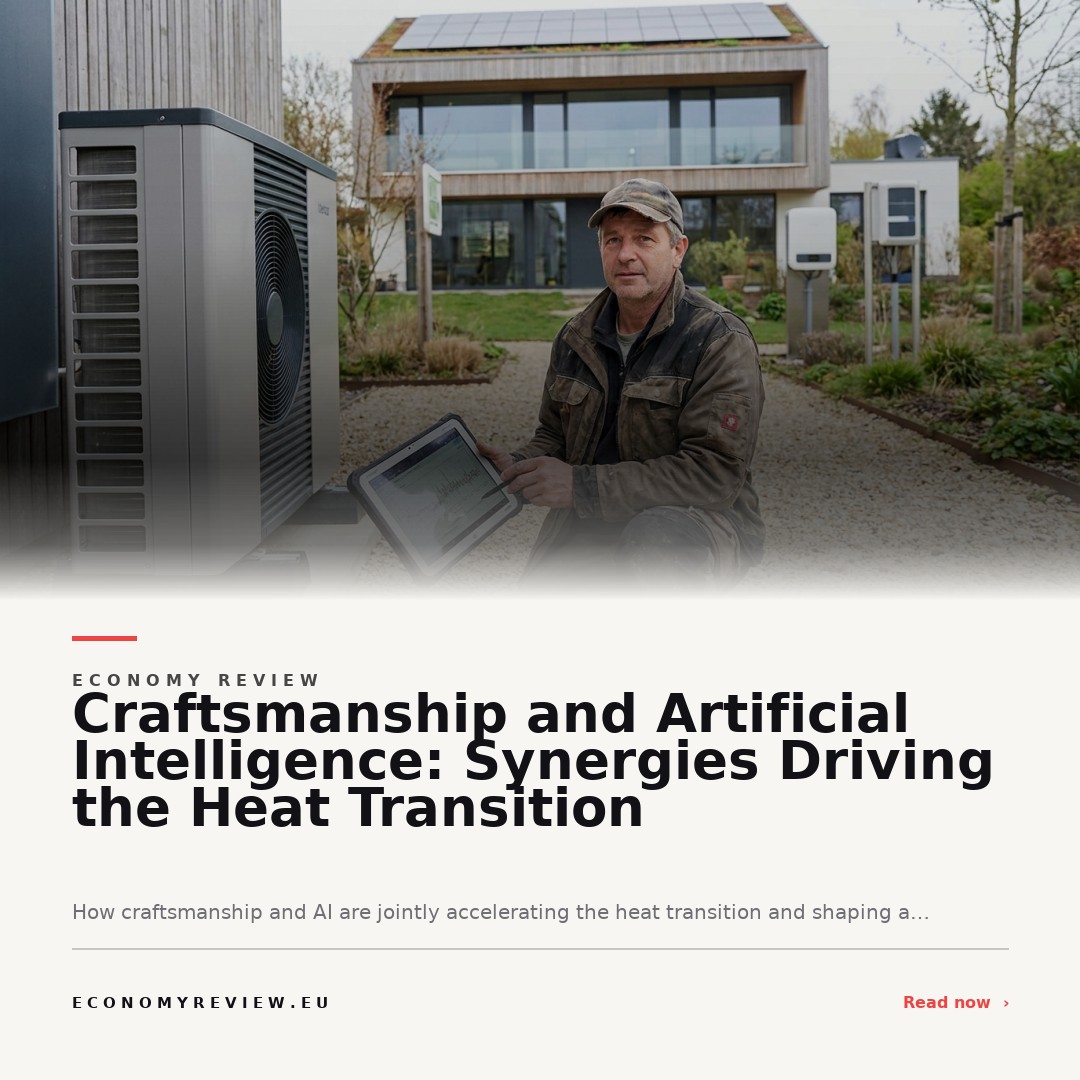
AI is increasingly embedded in the daily workflow of craftsmen, providing assistance from initial planning through to maintenance. By processing vast amounts of building and energy data, AI algorithms deliver valuable recommendations for optimal heating solutions tailored to each project. Predictive models help forecast energy needs and system performance, enabling installers and planners to design systems with precision. During installations, augmented reality tools and intelligent assistants help craftsmen navigate complex layouts, ensure regulatory compliance, and avoid costly mistakes. In maintenance, AI-driven monitoring enables proactive scheduling, reducing downtime and improving efficiency. This digital partnership gives skilled tradespeople new tools to manage the growing complexity of modern heat systems.


What Role Do Craftsmen Play in the AI-Augmented Heat Transition?
Craftsmen are essential to the practical realization of the heat transition. While AI provides insights and automation, it is the skill, experience, and local knowledge of tradespeople that bring these innovations into homes and businesses. Skilled trades remain responsible for on-site analysis, installation, and fine-tuning, especially in older or customized buildings. Their expertise ensures that AI-generated plans translate into functioning, reliable systems. Moreover, craftsmen serve as the main point of contact for customers, translating technical jargon into practical advice and helping end-users adapt to new technologies. Through continuous professional development in digital tools, craftsmen are evolving their expertise to bridge the gap between technology and application, maintaining quality, safety, and trust.
What Are the Benefits of AI-Driven Collaboration in Heating Projects?
Collaborative use of AI unleashes several benefits. Project planning becomes more precise and less time-consuming, as simulations predict outcomes and flag potential issues before work begins. Scheduling is optimized using real-time data on labor, parts availability, and weather, minimizing delays and disruptions. Energy efficiency improves as systems are more accurately sized and intelligently controlled, often leading to lower utility bills and reduced emissions. For businesses, this means a competitive edge through faster turnaround, lower costs, and better customer satisfaction. On a societal level, such collaboration accelerates decarbonization, helping governments and communities meet their environmental targets more cost-effectively.
What Skills Will Craftsmen Need to Succeed in AI-Driven Heating?
As AI becomes a standard tool in the industry, craftsmen must expand their digital literacy. This includes understanding digital building models, interacting with simulation and monitoring software, and being able to troubleshoot smart systems. The rise of AI also places greater emphasis on continuous learning and adaptability, as technologies and standards evolve rapidly. Soft skills, such as project management, problem-solving, and customer communication, are more important than ever. Craftsmen who can integrate traditional techniques with the latest digital methods are particularly well positioned to thrive, delivering value both to clients and employers.
Challenges: Typical Problems When Integrating AI with Craftsmanship
Despite its potential, the integration of AI with skilled trades faces several challenges. Many SMEs lack the resources or in-house expertise to adopt new technologies swiftly. Data compatibility and standardization issues can hinder smooth cooperation between different AI tools and legacy systems. Sometimes, craftsmen express skepticism toward digital solutions, fearing deskilling or increased job complexity. Security and privacy of customer data also represent ongoing concerns that must be addressed through robust protocols and transparent processes. Overcoming these barriers requires investment in training, development of user-friendly interfaces, and close collaboration between tech providers and end users.
Recent Developments in AI-Supported Heat Projects
Recent years have seen significant progress in the deployment of AI within the heat transition sector. In 2026, major manufacturers offer AI-driven boilers, heat pumps, and building management systems that interface seamlessly with installation teams. Initiatives at vocational schools now include AI and digital skills as core curriculum elements for the next generation of craftsmen. Industry collaborations have led to shared data platforms, simplifying material procurement and system design across multiple projects. The digital twin approach, combining physical and digital modeling, is becoming more accessible, delivering higher project accuracy and reducing overall lifecycle costs. These advances signal a maturing relationship between AI and skilled trades, setting the stage for broader adoption and impact.
How Can Stakeholders Maximize the Potential of AI and Craftsmanship?
Maximizing the value of this synergy requires an ecosystem approach. Policymakers can accelerate the transition through incentives, standardized frameworks, and investment in training infrastructure. Technology providers need to co-develop user-friendly tools in close dialogue with skilled trades, ensuring practical relevance. Professional organizations should offer upskilling and certification programs that keep pace with rapid innovation. Lastly, end users and clients benefit from greater transparency, support, and trust as digital and traditional expertise combine to meet their unique needs. This collaborative model not only advances the heat transition but also secures the future of the skilled trades profession.
Looking Ahead: The Future of Craftsmanship and AI in the Heat Transition
The alliance between craftsmanship and artificial intelligence is rapidly evolving, promising smarter, greener, and more reliable heating solutions. As the heat transition accelerates across Europe and worldwide, this partnership will be increasingly vital for both economic success and sustainability. Craftsmen, empowered by AI, are set to play a defining role in this transformation, ensuring that technological progress translates into real-world impact. Continued collaboration, investment, and upskilling will determine how quickly and effectively this potential becomes reality. The journey is ongoing, and the next chapter will likely see even deeper integration as new challenges and opportunities arise.
Related Content
For more insights on the impact of AI on industry, visit Künstliche Intelligenz 2026: Konjunkturmotor und Risikofaktor im Wandel and KI-Boom 2026: Wie künstliche Intelligenz das globale Wirtschaftswachstum antreibt.