Modern garden design in Graz for 2026 focuses on climate-adapted plants and sustainable trends that address rising temperatures and local environmental needs. Residents and professionals increasingly choose resilient species and innovative layouts to create thriving and unique green spaces.
Garden design in Graz in 2026 centers on climate resilience and innovative aesthetics. The most important consideration for private homeowners, landscape architects, and city planners is how to adapt to the region’s evolving climate, marked by hotter, drier summers and unpredictable rainfall patterns. Choosing the right plants and incorporating new design ideas are crucial steps for creating beautiful and sustainable gardens in Austria’s second-largest city.
Key Takeaways
- Climate-adapted plants are central to Graz's current and future garden designs.
- Trends in 2026 favor sustainability, biodiversity, and low-maintenance landscaping.
- Water management and urban greening are increasingly vital topics.
What Defines Modern Garden Design in Graz?
Modern garden design in Graz is defined by a smart balance of aesthetic appeal and ecological function. Homeowners and professionals aim to create green spaces that are not only attractive but also reflect an awareness of environmental challenges unique to Styria. The city’s microclimate, characterized by warm summers and occasional drought, influences every decision from plant selection to soil management and layout. While visual harmony remains important, the priority has shifted toward designing gardens that can thrive amid changing weather conditions. This approach supports long-term plant health, encourages local wildlife, and reduces maintenance workload for owners.


Why Are Climate-Adapted Plants Essential?
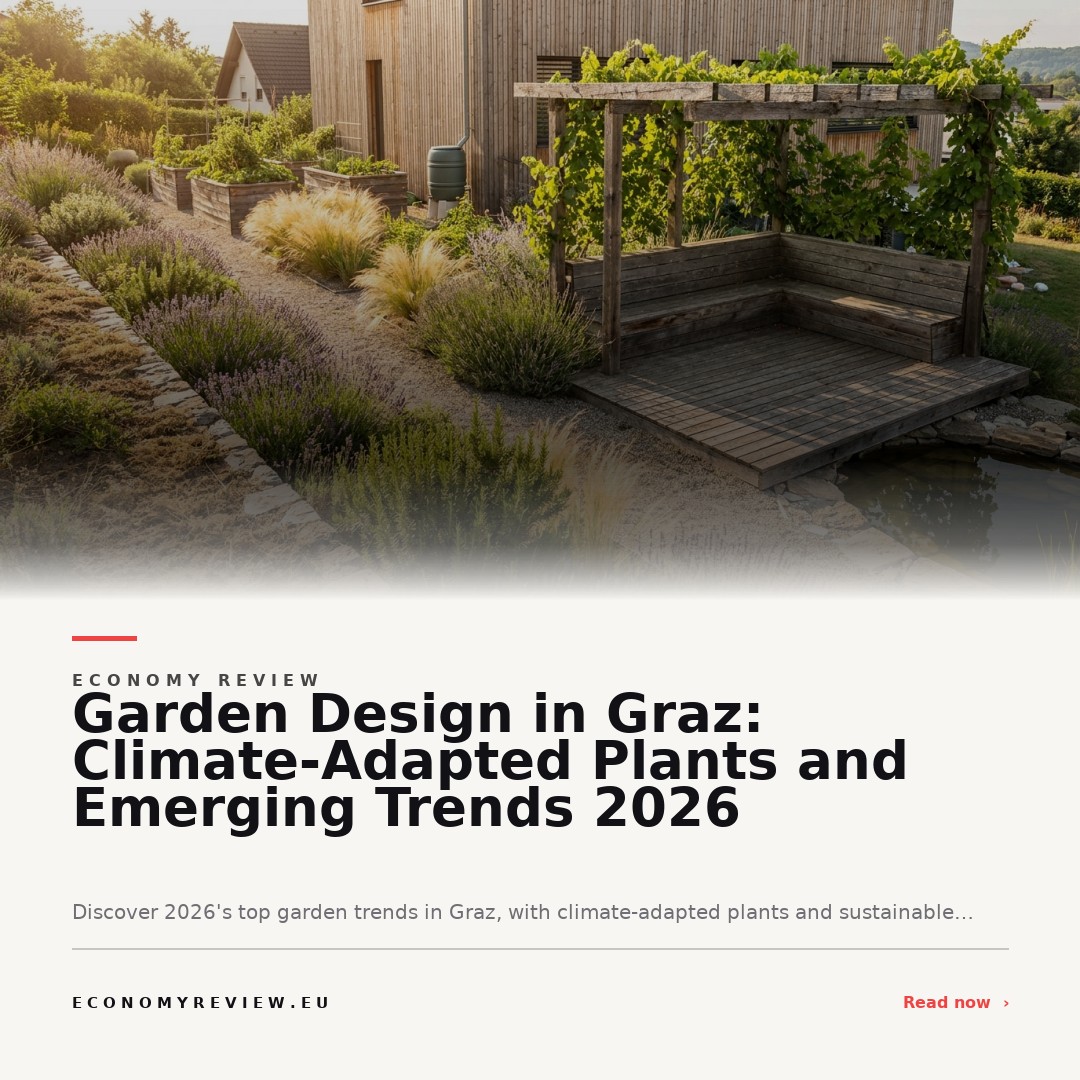
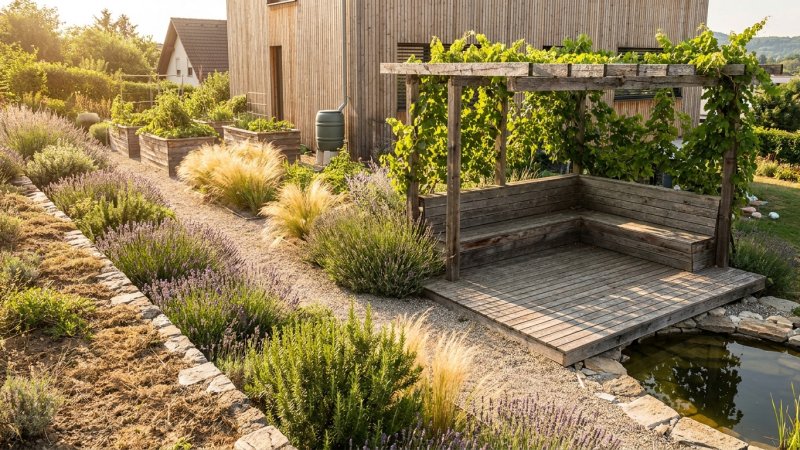
Climate-adapted plants are essential in Graz because they are better suited to withstand heat, dry spells, and limited water resources. These species typically have deeper root systems, resilience to local pests, and lower water requirements. Mediterranean herbs, native grasses, and proven perennials like lavender, sage, and coneflower have become popular choices. Selecting plants matched to local conditions not only ensures the garden’s longevity but also cuts down on maintenance costs and irrigation needs. This shift has also rejuvenated interest in forgotten regional species and innovative hybrids specifically bred for resilience.
How Are Water and Sustainability Driving Garden Trends?
Effective water management and ecological awareness are shaping Graz's garden designs in 2026. Rainwater harvesting, mulching, and the installation of permeable surfaces are common techniques. These solutions reduce dependency on mains water and help gardens survive increasingly frequent dry periods. Designers are also keen on integrating pollinator-friendly plants and creating microhabitats for insects and birds. Sustainable practices like composting and minimal chemical usage further reinforce Graz’s drive toward environmentally friendly outdoor spaces.
What Are the Latest Aesthetic and Functional Trends?
The visual language of Graz gardens in 2026 marries contemporary styles with naturalistic planting. Minimalist designs with clearly defined lines are softened by wildflower beds and ornamental grasses. Raised beds, vertical gardens, and small urban orchards are increasingly visible in private courtyards and balconies. Functional additions such as shaded seating areas, drought-tolerant lawns, and textured paths made from recycled materials reflect the shift towards multi-use outdoor living. Smart garden technology—like automated irrigation and app-based maintenance reminders—is also making inroads, enhancing convenience and efficiency for busy urbanites.
Who Benefits Most From These New Approaches?
Both private property owners and public institutions in Graz benefit from climate-adapted gardening. Homeowners gain more resilient and durable green spaces, enjoy lower maintenance costs, and can be proud of supporting local biodiversity. Urban planners see reduced strain on infrastructure, particularly stormwater systems, and increased quality of life for residents when more green areas are integrated into cityscapes. Schools, community organizations, and businesses increasingly invest in sustainable outdoor designs for their environmental and reputational advantages. DIY enthusiasts find inspiration in straightforward adaptations, while professional designers push boundaries with creative and ecologically sensitive layouts.
What Are Common Challenges in Graz’s Garden Design?
A major challenge in Graz is the variability of weather, which makes plant selection and landscape design more complex. Extended heatwaves, followed by periods of intense rainfall, can stress even hardy species. Soil types in the region often require improvement for optimal drainage or nutrient content, and urban spaces must contend with pollution and space restrictions. Finding the right balance between diversity and maintenance effort remains a constant issue, as does convincing homeowners to swap traditional lawns for more sustainable alternatives.
What Recent Developments Shape the Industry in 2026?
In 2026, an increased awareness of biodiversity and native species is driving plant choices in Graz. More nurseries now offer climate-adapted selections, and educational projects about sustainable gardening have gained momentum. Digital planning tools are simplifying the design phase, making it easier to visualize and optimize gardens before breaking ground. Community gardens and urban greening projects continue to expand, driven by both municipal policies and grassroots demand for more liveable city environments. Research into resilient plant varieties and sustainable construction methods further supports this green transition.
What Should Graz Residents Consider Before Redesigning Their Gardens?
Before starting a garden redesign in Graz, residents should carefully assess their site’s microclimate, soil conditions, and available space. Consulting with qualified landscape architects is often recommended to ensure optimal plant selection and design. Sustainable practices—such as incorporating local, climate-resistant plants, installing rainwater collection systems, and reducing paved surfaces—should be prioritized. Regulations regarding water usage, garden size, and plant heights may apply, particularly in city districts or conservation areas. Clear goals and a phased approach help ensure the project succeeds while minimizing environmental impact.
Conclusion: The Path Forward for Graz’s Gardens
Garden design in Graz is evolving rapidly, driven by climate realities and a desire for unique, sustainable outdoor spaces. As more residents and professionals invest in climate-adapted plants and embrace innovative trends, the city’s gardens become resilient, beautiful havens for people and wildlife alike. Looking ahead, Graz will likely remain a leader in sustainable gardening in Austria, continually inspired by the local environment and community engagement. Anyone considering a garden project should view these developments as both opportunity and inspiration for the future.
FAQ
Which plants are best for climate-adapted gardens in Graz? Mediterranean herbs, native grasses, and drought-resistant perennials are popular choices because they cope well with the city’s weather.
How can I make my garden more sustainable? Use local plants, install rainwater collection systems, reduce lawn size, and limit chemical use to boost sustainability and resilience.
Do I need professional help for my garden redesign? Consulting landscape professionals can be beneficial for site analysis and plant selection, especially for complex or large-scale projects.
Are there specific regulations for gardens in Graz? Depending on location and garden size, local authorities may have guidelines on plant heights, water usage, and biodiversity protection that should be checked before starting.