Smart home technology has become increasingly accessible, allowing users to transform their living spaces without major renovations or intrusive installations. For those seeking convenience, energy efficiency, and enhanced security, it is now entirely possible to experience the advantages of a connected home through beginner-friendly solutions. In this article, we examine the current reality of smart home integration without structural modifications, answer the main questions for newcomers, and highlight the true benefits of adopting these technologies.
- Enjoy smart home advantages without construction works or rewiring.
- No specialist knowledge or expensive systems necessary for entry-level solutions.
- Significant improvements in comfort, security, and energy saving are possible.
Why Choose Smart Home Solutions Without Renovation?
The appeal of a smart home lies in its promise of convenience and automation. However, the high perceived costs or the fear of extensive construction keep many people from making their homes ‘smart’. In recent years, the market has responded with plug-and-play solutions that require zero renovation. These devices often function wirelessly and can be controlled via smartphone apps or voice commands, making them ideal for renters and homeowners alike. Even those in older buildings can take part, fostering digital transformation without risking property damage or tenancy issues.
Main Components and Devices for a Renovation-Free Smart Home
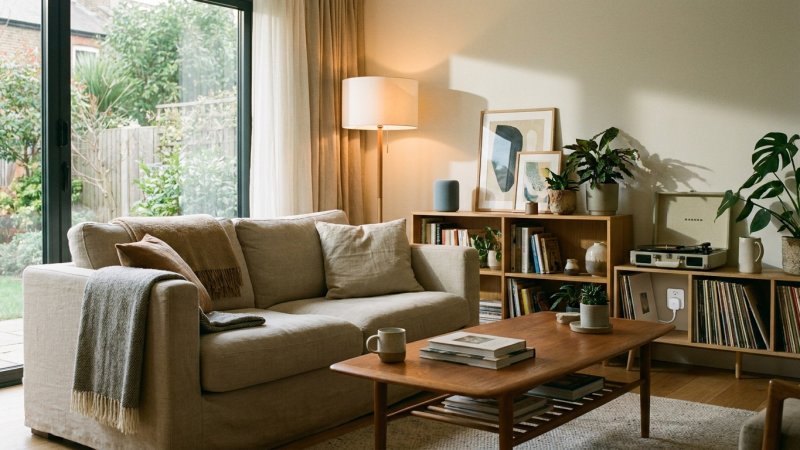
Today’s entry-level smart home devices cover a range of needs. Smart lighting systems, such as LED bulbs and light strips, can be installed in existing fixtures and offer remote control, dimming, and scheduling. Smart plugs and sockets allow users to automate or control standard appliances, from coffee makers to fans, without rewiring. Wireless sensors for windows and doors enhance home security, while smart thermostats and radiator valves improve energy management. Advanced features such as voice assistants, often built into speakers like Amazon Echo or Google Nest, serve as the central control hub for these devices, connecting multiple products in one ecosystem without permanent installation.


Getting Started: What Makes a Smart Home ‘Beginner-Friendly’?
Beginner solutions are distinguished by ease of installation, affordability, and user-friendly interfaces. Most devices are designed to be self-installed, needing only a power outlet or Wi-Fi connection. Setup typically involves using a mobile app to connect and configure devices, often with step-by-step instructions. The lack of a need for technical expertise encourages widespread adoption. Even older residents or those wary of technology can comfortably experiment with these new systems, thanks to intuitive controls and robust customer support offered by many manufacturers.
Practical Advantages: Security, Comfort, and Efficiency
One of the largest draws of a smart home is improved security. Wireless doorbell cameras, motion sensors, and sirens provide peace of mind and real-time alerts directly to smartphones, even when users are away from home. Equally compelling is the added comfort gained from automating routines: waking up to gentle light, scheduling appliances to match personal routines, or remotely adjusting the climate before arrival. Energy efficiency is another substantial benefit. With smart plugs and thermostats, users can significantly reduce power and heating costs by ensuring devices run only when necessary. Data from manufacturers and industry reports regularly highlight measurable cost savings after the adoption of smart energy solutions.
Addressing Concerns: Privacy and Compatibility Issues
Despite the myriad benefits, potential users often worry about data privacy and the compatibility of various brands and devices. Modern smart home products increasingly adhere to rigorous privacy standards, offering encrypted data transmission and comprehensive control over data sharing. Cross-compatibility is facilitated by universal standards like Zigbee, Z-Wave, and increasingly, Matter, which allow diverse products to interconnect, giving consumers flexibility and future-proofing their investments. It is recommended to check for these certifications and protocols before purchase to ensure seamless integration.
Integrating Smart Home Tech in Renters’ and Older Buildings
For renters and those living in heritage-listed or older homes, non-invasive smart home solutions are particularly attractive. Because these systems do not require drilling, rewiring, or permanent changes, they fulfill all legal tenancy requirements and pose no risks to building integrity. Tenants can customize their environment and, if necessary, remove and relocate their smart devices just as easily. This accessibility democratizes digital comfort, making the smart home a realistic option across a broad demographic range.
Real-Life Use Cases: Making Everyday Life Easier
The practical applications of smart home technology span beyond mere convenience. For professionals working remotely, smart lighting and climate control create ergonomic workspaces. Families benefit from secure access to their homes, with the ability to monitor comings and goings via smartphone. The elderly or people with disabilities can experience greater independence with voice-controlled routines and safety monitoring. Each use case underscores the positive, tangible impact that renovation-free smart home solutions can provide.
Key Considerations Before Making the Switch
Before investing in smart home technologies, it is essential to consider the existing wireless network’s range and stability, since many devices rely on robust Wi-Fi performance. Additionally, setting realistic expectations regarding automation and remote control features can help avoid disappointment. Researching reputable brands and ensuring they support future updates and integrations will safeguard the system against obsolescence. Reading reviews and seeking independent advice can also inform a balanced purchase decision.
Links to Related Topics
If you are exploring additional modernization options for your home or workspace, you may find detailed information on modernization processes and their benefits or learn about cloud data security solutions to support your connected ecosystem.
Conclusion: Smart Living Is Within Everyone’s Reach
Adopting smart home technology no longer requires a full-scale renovation or significant upfront investment. Entry-level solutions make it easier than ever to enjoy comfort, security, and efficiency with minimal disruption to daily life. Regardless of your living situation, embracing these technologies can enrich your routines and future-proof your home. As the landscape continues to evolve and new standards emerge, the journey toward smarter living becomes ever more accessible and rewarding. Exploring current options is the first step toward a connected, modern lifestyle. How will you shape your home’s digital transformation?