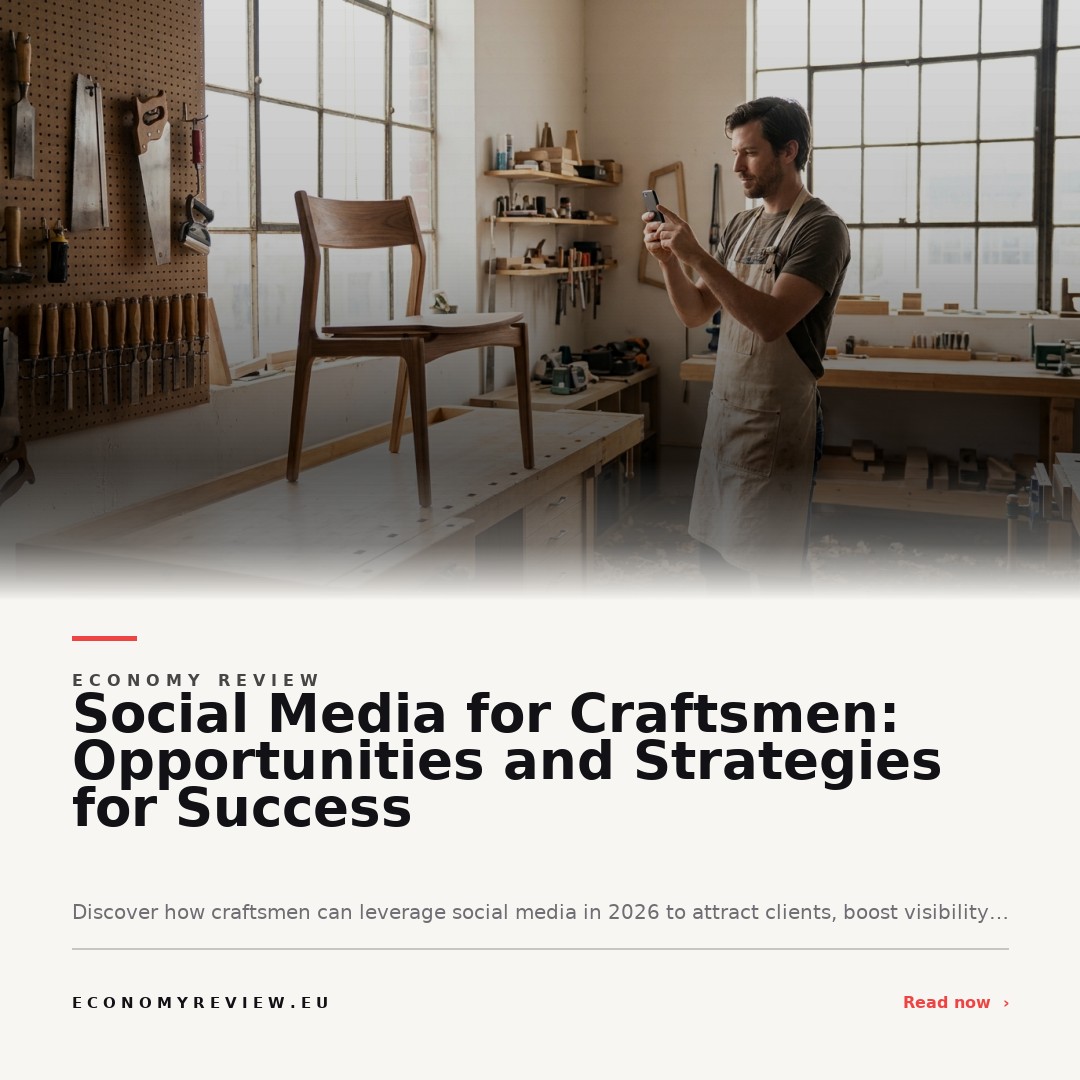

Social media offers craftsmen new ways to present their skills, attract clients, and build loyal customer relationships. By using targeted strategies tailored to their craft, craftsmen can enhance their visibility and future-proof their businesses.
For craftsmen, social media platforms in 2026 represent more than just digital noticeboards—they are essential growth tools, connecting skilled trades to clients, projects, and industry peers. Craftsmen who leverage social media effectively can boost their visibility, build customer trust, and open up new business opportunities amidst an increasingly digital marketplace.
- Social media presence helps craftsmen attract new clients and foster loyalty.
- Visual storytelling and authenticity set successful brands apart.
- Regional targeting and expert platforms yield the best returns for tradespeople.
- Challenges include time investment, content planning, and maintaining professionalism online.
What makes social media essential for craftsmen?
Social media has evolved into a critical channel for craftsmen to showcase their work, communicate their values, and build a trustworthy reputation. With potential clients increasingly searching online before engaging services, tradespeople who invest in their digital presence gain a significant edge. Instagram, Facebook, and niche platforms geared toward crafts—like Houzz or industry-specific portals—enable highly visual storytelling, letting real projects speak for themselves. Client reviews, before-and-after galleries, and behind-the-scenes content allow artisans to present their skills authentically and demonstrate quality in a way traditional advertising never could.
How can craftsmen maximize their reach and engagement?
For maximum impact, craftsmen should focus on platforms that emphasize visuals and community interaction. Regularly posting completed projects, insightful tips, and client testimonials helps build credibility. Stories and short-form videos have become increasingly important, offering followers a quick, genuine look at daily operations and unique touches that set a business apart. Regional targeting—using geotags and location hashtags—makes it easier for nearby clients to discover relevant services. Collaborations with local businesses, sharing posts about regional events, or partnering with influencers who appreciate handcraft can expand reach and foster trust within the target community.


What strategies are proven to work for trades businesses?
Successful social media strategies for craftsmen combine consistency, authenticity, and careful branding. Setting up a professional profile with up-to-date contact details and service listings ensures clarity for potential clients. Planning content in advance, tracking which posts perform best, and responding quickly to inquiries or comments underpin customer engagement. Keeping the tone and imagery genuine yet professional—avoiding over-edited photos or canned marketing language—strengthens a relatable brand persona. Seasonal campaigns, special offers, or highlights on apprenticeships can further build engagement and communicate long-term commitment to both craft and community.
Which channels and tools are most effective for craftsmen?
Certain platforms stand out for visual trades. Instagram remains the leader for sharing photos and short videos, while Facebook supports local visibility and direct messaging. LinkedIn can bolster professional networks and business-to-business partnerships, whereas platforms like Pinterest are ideal for showcasing portfolios and inspiring new projects. Some craftsmen find value in industry-specific apps for booking and customer management. Productivity tools—such as social media schedulers, analytics dashboards, and review management services—help optimize efforts and minimize time spent online without sacrificing reach or professionalism.
Typical challenges for craftsmen on social media
Despite its many opportunities, social media presents real challenges for craftsmen. Time constraints, unfamiliarity with digital marketing, and the pressure to constantly generate new content can limit effectiveness. Maintaining consistent branding and responding promptly to messages is demanding amid busy schedules. Some may struggle with negative feedback or online criticism. Moreover, algorithm changes and platform updates mean what works today may require adaptation tomorrow. Setting clear goals and allocating defined resources—either through in-house learning or selective outsourcing—can help overcome these hurdles.
Recent developments in social media marketing for trades
In 2026, a surge in hyperlocal networking functionality and professional community groups has made it easier for craftsmen to connect with their most relevant audiences. The rise of short video formats and live streaming allows for real-time presentation of skills and quick Q&A with potential clients. Integration with booking tools and customer review platforms is increasingly seamless, helping automate lead generation and feedback processes. Craftsmen who keep pace with these innovations—while preserving their authentic voice—stand out in a crowded market.
How social media strengthens business resilience
Social media doesn't just attract new clients, it fosters long-term loyalty and helps buffer against market changes. Clients value transparency and the human touch visible in posts about the team, company culture, or day-to-day life on a job site. In times of economic uncertainty, a trusted social media presence helps keep the order book full and ensures existing relationships withstand industry fluctuations. By engaging their community, sharing expertise, and inviting feedback, craftsmen can future-proof their businesses in an increasingly digital economy.
Conclusion: Social media as an investment in craftsmanship
For craftsmen, an authentic and strategic social media presence is no longer optional—it's essential for thriving in a digital-first world. By using the right channels, emphasizing authenticity, and balancing consistency with creativity, tradespeople can build brands that turn clients into advocates. Ongoing adaptation, learning, and engagement will remain key as platforms and customer expectations evolve. Craftsmen who embrace social media today position themselves for greater visibility, steady client pipelines, and lasting success.
Further Reading
If you're interested in navigating financial opportunities for businesses or securing capital for growth, you might find the following articles helpful:
In Firmen investieren: Chancen, Wege und was Anleger wissen sollten
Kapitalgeber finden: Wege, Tipps und Strategien für Unternehmen und Gründer