Explaining economics and entrepreneurship to children is pivotal in equipping the next generation with the skills and mindset needed for a rapidly changing world. By demystifying core concepts early, children gain the confidence and curiosity to navigate and eventually shape economic realities. This article sheds light on modern, age-appropriate strategies for teaching these vital subjects and demonstrates why foundational knowledge in economics and entrepreneurship is essential from a young age.
- Early economic education fosters confidence and critical thinking in children.
- Practical and playful approaches help make complex topics understandable.
- Future skills like sustainability, innovation, and digital literacy should be integrated into lessons.
Why Early Education in Economics and Entrepreneurship Matters
Children today live in a world shaped by constant economic change, technological innovation, and global interconnectedness. Teaching them about economics and business from a young age nurtures not just financial literacy, but also creativity, problem-solving abilities, and resilience. These skills are increasingly recognized as core competencies for the workforce of the future. Early exposure helps normalize discussions about money, trade, and decision-making, reducing later anxiety around these topics and empowering informed participation in society.
Modern Pedagogical Approaches
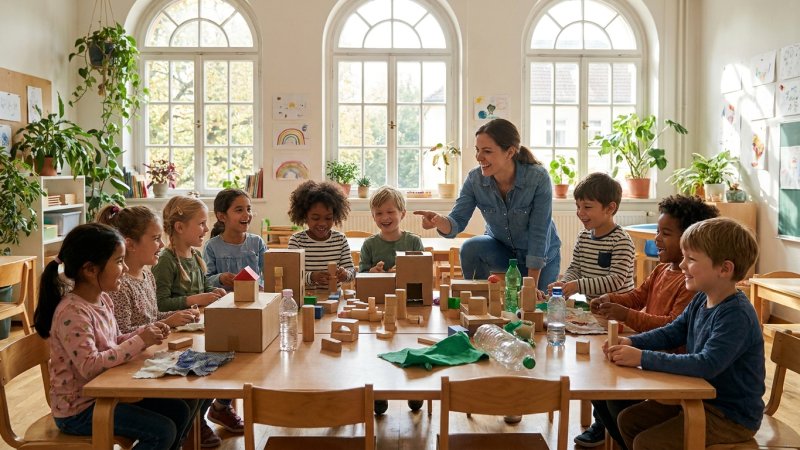
Contemporary education relies on methods that emphasize context, experience, and active engagement. For example, role-playing marketplaces in classrooms allows children to learn firsthand about trade, value, and negotiation. Incorporating stories with relatable characters who start small businesses or solve community problems makes abstract topics accessible and memorable. Digital tools and interactive platforms can enhance learning, offering simulations that reflect real-world scenarios in an age-appropriate format. Purposeful play, combined with guided reflection, forms the cornerstone of effective economic education for the young.


Integrating Real-World Themes: Sustainability and Social Responsibility
Teaching economics and entrepreneurship is no longer just about profit and loss. In today's landscape, children are exposed to issues such as sustainability, resource conservation, and ethical business practices. Linking lessons to everyday life—such as understanding recycling processes or exploring how local businesses reduce waste—fosters a sense of responsibility and encourages critical discussion about long-term impacts. Resources like Auto-Recycling illustrate how economic activity intersects with environmental stewardship, helping young learners see the relevance and application of abstract principles.
Connecting the Dots: Economic Awareness as Part of General Education
Integrating entrepreneurship and economic thinking into the broader curriculum ensures that the subject matter does not feel isolated or overly abstract. Teachers can relate supply and demand to everyday experiences, or link lessons about budgeting to school projects. Collaboration with parents and community figures enriches the educational experience, bridging classroom learning with practical realities outside school. Flexibility and adaptability in teaching help address different learning styles and backgrounds, making education both inclusive and effective.
Digital Tools and Innovation in Economic Learning
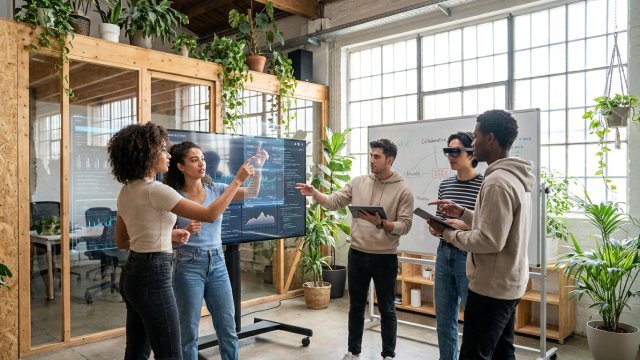
The rapid evolution of the digital landscape means children today are growing up in a world saturated with technology. Educational apps, online simulations, and collaborative learning platforms offer dynamic opportunities for interactive exploration of economic concepts. Digital tools allow children to run virtual businesses, manage simulated budgets, or participate in philanthropic initiatives within safe and supervised environments. Blending technology with real-world context ensures lessons remain relevant and engaging, while also enabling scalable education access—especially important in rural or under-resourced areas.
Encouraging Creative Problem Solving Through Entrepreneurship
Entrepreneurial thinking—encompassing creativity, perseverance, and risk-taking—goes hand-in-hand with practical economic understanding. Supporting children in developing these skills involves giving them space to pursue projects, experiment with ideas, and occasionally fail in supportive settings. Suggesting activities like small fundraising events or imaginative ventures empowers children to put economic concepts into practice, cultivating an entrepreneurial spirit that can persist into adulthood. Teachers and mentors play vital roles in guiding reflection and learning from both success and setbacks.
Overcoming Challenges: Misconceptions and Obstacles
Despite its importance, economic education for children is often hampered by misconceptions—such as the notion that money matters are "too complex" for young minds, or that entrepreneurship is inherently risky and unsuitable for childhood education. Resistance may also arise from limited resources in educational institutions or a lack of training among teachers. Addressing these obstacles requires ongoing professional development, age-appropriate educational materials, and a broader societal commitment to economic literacy as a foundation for participation and empowerment.
Societal Impact and the Path Ahead
The long-term impact of equipping children with economic and entrepreneurial skills is profound. It contributes not only to individual self-efficacy and financial well-being but also to more resilient, adaptable communities. As children learn to analyze situations, weigh consequences, and adapt to changing circumstances, they are better prepared to contribute meaningfully to the economy and society. The journey begins with accessible, inclusive, and forward-looking education—an investment that pays dividends for individuals and communities alike.
The Importance of Keeping Pace With Change
In a world defined by digital transformation, shifting job markets, and evolving societal values, economic and entrepreneurial education for children must keep pace. Regularly updating teaching materials and incorporating current events ensures relevance and engagement. For further insights into broader developments affecting education and societal trends, articles such as The Year 2025: Developments and Trends offer valuable context. Adapting approaches and content to reflect real-world changes is essential, allowing young learners to thrive in their current environment and prepare for an unknown but exciting future.
Conclusion: Building the Foundation for Future Generations
Making economics and entrepreneurship accessible to children is vital for future readiness. Through modern, context-driven pedagogy, integration of real-world themes, innovative digital tools, and a consistent focus on practical skills, it is possible to empower the next generation. This intentional approach ensures that children not only thrive in school but also grow into informed, creative, and socially responsible adults. The question for educators, parents, and policymakers is how best to seize this opportunity and foster economic education that ignites curiosity, confidence, and capacity for positive change.