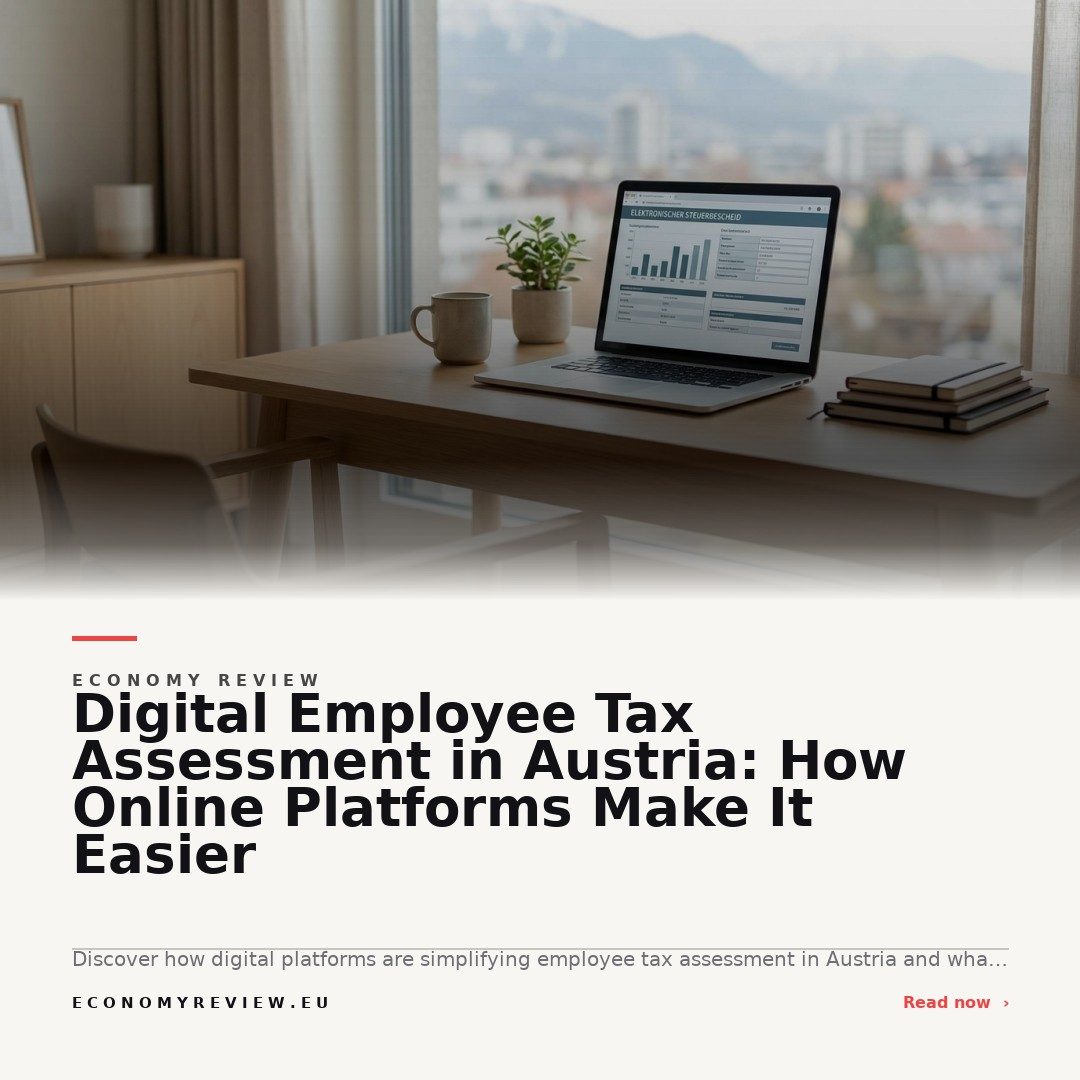

Digital platforms are fundamentally transforming how employee tax assessments are carried out in Austria, providing users with efficient, user-friendly solutions to manage their annual taxes. As of 2026, a growing number of Austrians rely on these platforms to submit, optimize, and manage their Arbeitnehmerveranlagung online. Leveraging new technologies saves time and helps taxpayers maximize returns while ensuring compliance and ease of use.
- Digital platforms streamline the employee tax assessment process in Austria.
- Real-time guidance, automation, and security are top priorities for users in 2026.
- Platforms support error checking and maximize refund opportunities for employees.
Introduction: The Shift Toward Digital Tax Filing in Austria
Austria's tax landscape has experienced significant modernization in recent years, particularly in the realm of employee tax assessment. Known locally as the Arbeitnehmerveranlagung, this process is now more accessible than ever, thanks to digital platforms that simplify complex procedures. The demand for faster, more transparent, and reliable tax filing solutions continues to grow as both employees and businesses strive to stay compliant in a changing regulatory environment.
How Do Digital Platforms Work for Tax Assessment?
Modern online platforms automate much of the tax assessment workflow, replacing traditional paperwork and manual data entry. Users can upload documents, answer guided questions, and let the software analyze their situation based on current tax laws. Many solutions use real-time validation to flag missing information or inconsistencies, helping users avoid common mistakes and benefit from relevant deductions they might otherwise overlook. This digital shift not only improves accuracy but also saves time, particularly during the busy tax season.


Key Features of Leading Digital Tax Solutions in Austria
The most popular Austrian platforms offer an intuitive interface, strong data privacy protections, and integration with government systems. Automated document imports, AI-driven deduction checks, and personalized guidance ensure even those unfamiliar with tax law can confidently navigate the process. Additionally, real-time progress tracking, notification of submission deadlines, and the ability to securely store copies of earnings statements and other relevant documentation streamline the entire experience.
Benefits for Employees: Maximizing Returns and Minimizing Stress
For employees, the possibility to file their Arbeitnehmerveranlagung digitally unlocks immediate advantages. These include access to up-to-date legislative changes, improved refund calculations, and a significant reduction in paperwork. Platforms often provide explanations for each step, increasing financial literacy and empowering users to make informed decisions. Security measures, such as two-factor authentication and encrypted data storage, further enhance user trust and regulatory compliance.
Common Challenges in Digital Tax Filing
Despite clear benefits, digital tax filing is not without its challenges. Users occasionally face difficulties with data imports, especially if employment records are incomplete or not digitized. Technical glitches or unclear instructions may lead to errors or frustrations. Furthermore, understanding the nuances of allowable deductions or deadlines can be complex for first-time users. However, most leading platforms offer responsive customer support, robust FAQ guides, and interactive help to address these issues effectively.
Typical Problems Encountered by Users
Some users report concerns about data privacy and the accuracy of automated deductions, particularly if their employment situations are atypical or involve multiple income streams. Compatibility issues with government e-filing portals or misinterpretations of recent tax law changes may also complicate the process. The ongoing evolution of digital identity verification is expected to address many of these hurdles in the coming years.
Recent Developments and Trends in Austria’s Tax Tech Scene
2026 sees notable advances in the integration of Artificial Intelligence with Austria's digital tax platforms. AI-driven guidance adapts in real-time to legal changes and user feedback, while smart checklists help users avoid omissions caused by shifting regulatory requirements. Increased interoperability between tax platforms and payroll systems is streamlining workflows for both individual employees and businesses, reducing administrative overhead and boosting accuracy throughout the tax cycle.
The Future: Toward Fully Automated Tax Solutions
The outlook for digital tax assessment in Austria promises an even more frictionless and efficient user experience. With the continued evolution of online platforms, integration with other digital government services, and proactive error detection powered by advanced algorithms, employees can expect transparency, support, and optimal tax results. As digital literacy among the Austrian workforce increases, so too will the convenience and accessibility of tax filing, making manual or paper-based processes increasingly obsolete.
Conclusion: Embracing Digital Solutions for a Simpler Tax Experience
Online platforms are driving a new era of convenience and reliability in the employee tax assessment process in Austria. As technology advances and regulations adapt, embracing digital tools empowers individuals to take greater control of their financial obligations. The seamless integration of secure, automated, and intuitive solutions ensures that users are well-equipped to meet their tax responsibilities efficiently and confidently in 2026 and beyond.