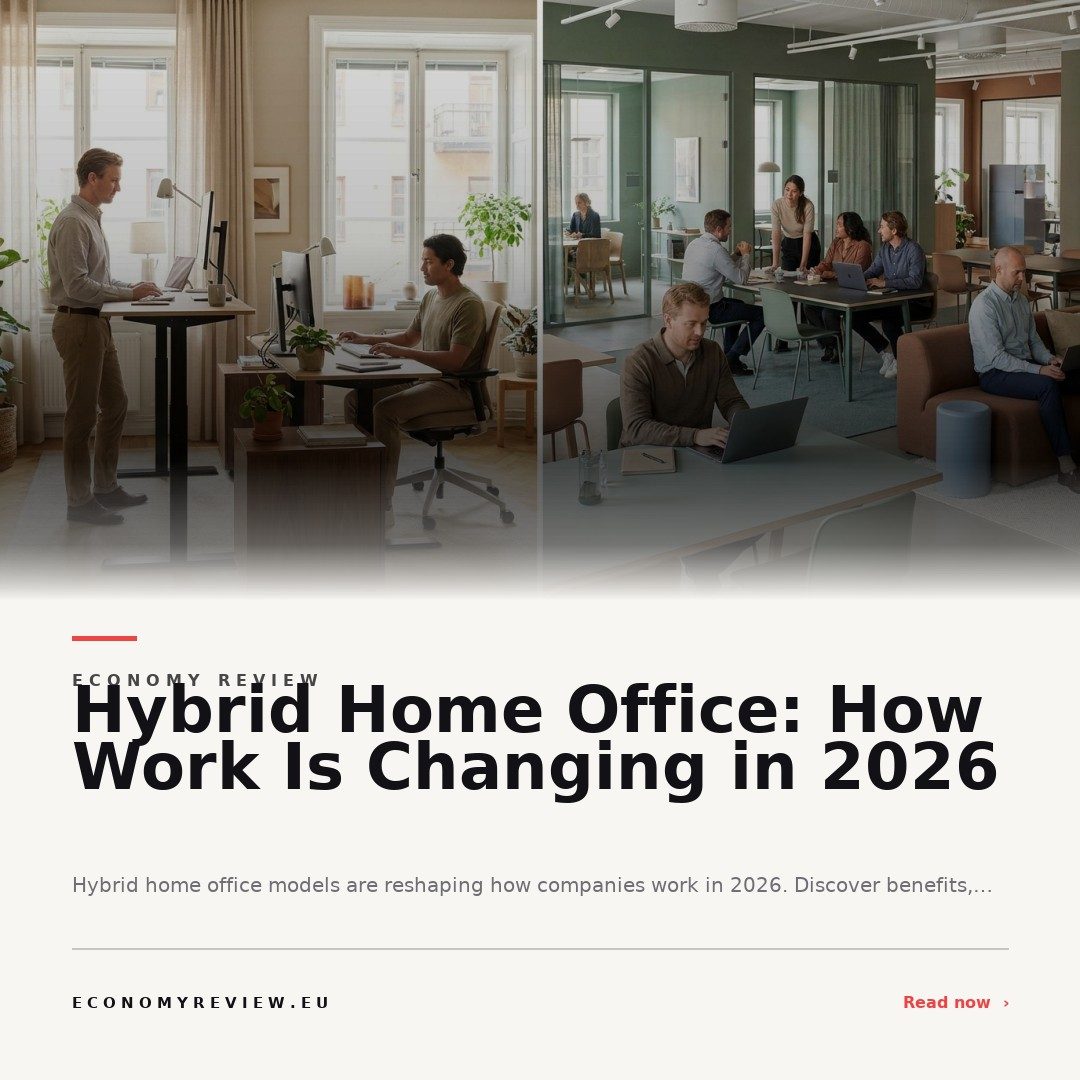
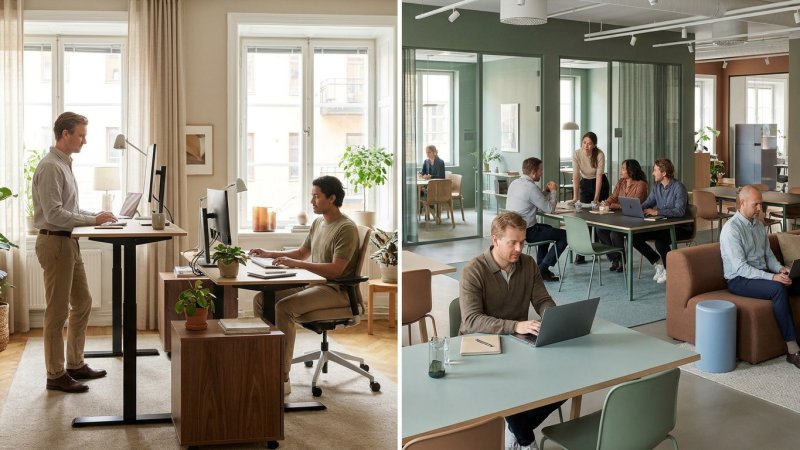
Hybrid home office solutions have become a defining feature of workplaces in 2026, balancing remote and onsite work to maximize flexibility and productivity. Understanding current trends, benefits, and typical challenges is key for companies and employees to succeed with hybrid models.
Hybrid home office models, blending remote work with in-office presence, have revolutionized the way organizations operate in 2026. Today, companies across industries are embracing flexible working arrangements to boost productivity, employee satisfaction, and competitiveness. Hybrid systems are no longer an exception, they are fast becoming the standard, and understanding their impact is crucial for businesses looking to remain resilient in the evolving world of work.
- Hybrid models allow flexibility between working from home and office settings
- Employee autonomy and productivity have increased significantly in many sectors
- Challenges remain, requiring ongoing adaptation of management, technology, and company culture
What Is a Hybrid Home Office Model?
A hybrid home office model is a workplace arrangement where employees split their time between working remotely from home and being physically present in an office. Unlike fully remote or strictly on-site work, hybrid systems offer tailored flexibility, letting individuals decide where they can be most productive. This model thrives on digital connectivity and a high level of trust within teams. It requires careful planning, clear policies, and seamless communication to function effectively.
Why Hybrid Models Are Gaining Momentum
Several factors drive the rise of hybrid work. Employees increasingly value flexibility for balancing work and personal life. Organizations have found that hybrid arrangements can reduce office costs, minimize commute times, and attract a wider talent pool unconstrained by geography. Many businesses report that employee engagement and retention improve when workers control their work environment and schedule. In a competitive job market, offering hybrid home office options is no longer just a perk but a necessity for recruitment and employer branding. For deeper insights into sustainable change in organizations, see Quell der Veränderung: Impulse für nachhaltigen Wandel.


How Does a Hybrid Model Work in Practice?
Implementation of hybrid work varies by company and industry. Some organizations mandate certain in-office days for collaboration or team meetings, while others opt for a fully flexible system where employees can choose their preferred location each day. Technology plays a critical role, enabling video conferencing, cloud-based project management, and daily virtual check-ins. Managers adapt their leadership styles, focusing on results rather than hours, and HR teams refine policies to ensure fair and transparent practices for all, regardless of location.
Benefits of Hybrid Home Office Models
Hybrid models deliver tangible benefits to both employers and employees. Companies often see reduced office operating costs, lower absenteeism, and heightened productivity. Employees appreciate the autonomy to structure their day around peak productivity periods, family needs, and personal commitments. Flexibility also enhances overall wellbeing and job satisfaction. Furthermore, hybrid arrangements can expand recruiting pools, reaching talents who might not relocate or commute daily. Work-life balance improves, leading to fewer burnouts and higher engagement levels.
Challenges and What to Consider
Despite its advantages, hybrid work presents some persistent challenges. Communication can suffer if team members are split between home and office, leading to information gaps or feelings of exclusion. Maintaining a cohesive company culture requires extra effort, and onboarding new employees remotely remains complex. Security and data privacy need robust protocols to protect company assets beyond traditional office boundaries. Regular feedback loops and transparent guidelines become essential to handle inequities and set clear expectations for everyone. Explore the comparison of hybrid home office and workation effects in our piece Homeoffice oder Workation: Welches Modell bringt Unternehmen mehr Vorteile?.
Typical Problems in Hybrid Work Arrangements
Common issues in hybrid models include difficulty scheduling meetings across time zones, risk of remote workers feeling overlooked, and disparities in access to technology and career advancement opportunities. Some managers find it harder to measure performance remotely and maintain team cohesion. To overcome these, companies invest in regular, structured communication, equal access to resources, and management training tailored to hybrid leadership challenges.
Recent Developments and Trends
In 2026, advanced digital tools and artificial intelligence are further streamlining hybrid collaboration. Offices are being redesigned for flexible, collaborative spaces rather than fixed desks. Policy frameworks increasingly focus on mental health, work-life integration, and equal opportunities regardless of work location. Legal regulations continue to catch up with hybrid work practices, shaping standards for remote contract work, taxation, and cross-border employment. Organizations that invest strategically in hybrid infrastructure and culture find themselves better prepared for rapid change and global talent competition.
Future Outlook and Key Considerations
The hybrid home office is set to remain a defining feature of modern work culture. Its evolution will depend on emerging technologies, employee feedback, and changing regulatory environments. Organizations that proactively address challenges and foster an inclusive, connected culture will continue to thrive. Employees’ ability to adapt and manage their own work rhythm is now a vital skill for long-term personal and professional success. As work and life become more intertwined, the most successful workplaces will be those embracing purposeful change.
Conclusion
Hybrid home office arrangements have redefined the world of work by marrying flexibility with productivity. In 2026, these models offer companies the agility they need to navigate uncertainty, while giving employees more control over their work environments. The future of hybrid work lies in continuous learning, experimentation, and improvement—making it a central pillar of sustainable business strategy.