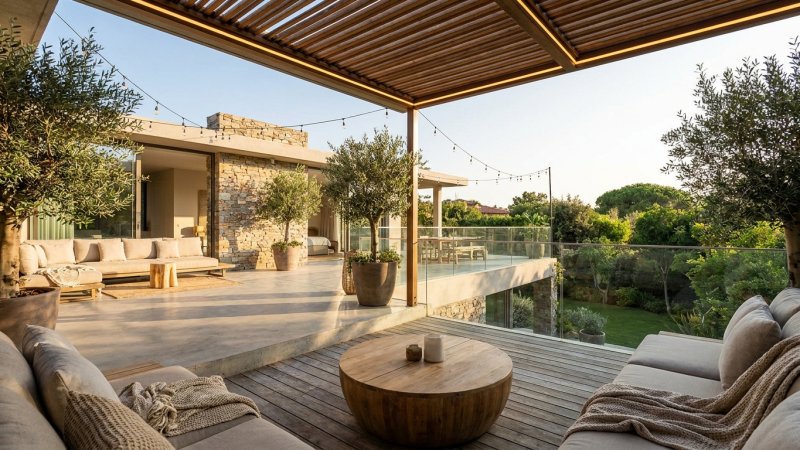
Upgrading your balcony or terrace involves choosing durable materials, implementing efficient maintenance, and considering costs. Understanding these aspects ensures a more enjoyable and long-lasting outdoor space for relaxation and social gatherings.
Refurbishing your balcony or terrace is one of the most impactful ways to enhance both the value and enjoyment of your home. Modern upgrades not only create inviting outdoor retreats but also contribute to the property's overall longevity and energy efficiency. The right material choices, diligent care routines, and accurate cost planning are essential to achieving a functional, beautiful, and sustainable outdoor space in today's homes.
- Material selection greatly influences durability, cost, and aesthetic appeal.
- Regular maintenance extends the lifespan of outdoor surfaces and prevents costly damage.
- Understanding overall costs helps homeowners plan effectively and prioritize investments.
What Materials Are Best for Balconies and Terraces?
Careful selection of materials can dramatically affect the performance and look of your balcony or terrace. Wood, stone, concrete, and modern composites each offer distinctive benefits. Wood provides warmth and a natural appearance, but requires routine sealing and may be sensitive to moisture if left untreated. Stone, such as granite or slate, boasts remarkable durability and weather resistance, although it comes at a higher initial cost and might need periodic cleaning to prevent moss or lichen. Composite decking materials have gained popularity for their blend of aesthetics, slip resistance, and minimal maintenance needs; these consist of a mixture of recycled plastics and wood fibers, creating a robust surface less prone to fading or splintering. Concrete remains a classic, cost-effective option that can be customized with finishes or stains, but it must be protected from frost damage in colder climates.
How Does Proper Maintenance Impact Outdoor Spaces?
Maintenance is essential for preserving the beauty and function of your outdoor area. Regular cleaning, timely removal of dirt and leaves, and annual inspections for cracks or damage prolong the life of surfaces and structures. For wood, applying a quality protective oil or stain prevents warping, discoloration, and insect infestation. Stone surfaces benefit from occasional deep cleaning and sealing to safeguard against water ingress. Composite materials often require only basic washing with water and a mild detergent, offering a low-maintenance solution. Paying attention to drainage and ensuring that water does not accumulate can avert mold or structural issues. Additionally, winter-proofing by covering vulnerable surfaces and storing movable outdoor furniture inside extends the usability of the area across all seasons.

What Are the Typical Costs and How to Budget?
The total cost of upgrading a balcony or terrace is shaped by several key factors such as size, material selection, underlying structural repairs, and professional labor. Basic refurbishments, including cleaning, painting, or renewing plant containers, tend to be budget-friendly. However, if you are replacing flooring or installing new railings, costs rise substantially depending on your choice of materials and complexity of installation. High-end stone or bespoke composite systems entail larger investments but offer increased longevity with lower ongoing maintenance. Budget planning should also allocate funds for regular care and potential repairs to avoid unexpected expenses in the future. Assessing these considerations in advance enables homeowners to align upgrades with their preferences and financial capacities.
How to Maximize Comfort and Utility?
Modern outdoor upgrades are not just about aesthetics—they aim to enhance comfort, privacy, and year-round usage. Incorporating retractable awnings or shade sails can offer relief from sun exposure during hot periods, while windbreaks or planters create visual and environmental barriers. Integrated lighting extends the space's usability into evening hours and adds a welcoming atmosphere. Modular seating, weather-resistant textiles, and portable heating units further improve flexibility, comfort, and style. By blending these elements thoughtfully, your balcony or terrace transforms into a personal retreat that accommodates diverse activities, from quiet mornings to lively gatherings.
Balancing Sustainability and Design
Environmental considerations are increasingly shaping decisions around outdoor renovations. Opting for FSC-certified wood, recycled composite materials, or regionally sourced stone lessens your ecological footprint and often increases durability. Permeable surfaces and strategically placed greenery can help manage water runoff, promote biodiversity, and cool the surrounding environment, making your outdoor space both practical and environmentally responsible. Consistent care—such as minimizing chemical use, composting plant waste, and repairing rather than replacing components—contributes to a greener, more sustainable outdoor lifestyle.
When Professional Help is Advisable
While many upgrades can be handled as do-it-yourself projects, certain situations warrant professional expertise. If structural repairs are needed—such as reinforcing railings or waterproofing substrates—qualified contractors ensure safety and compliance with local building codes. Electrical installations for lighting or heating should always be handled by licensed specialists. Consulting with landscape designers can be beneficial for complex layouts, maximizing utility, or achieving a bespoke look that seamlessly integrates with your home’s architecture.
Residential Energy Efficiency and Outdoor Spaces
Upgrades to balconies and terraces can also influence a property's energy efficiency. For example, thoughtful shading can reduce cooling loads in adjacent rooms during summer, while insulated flooring decreases heat loss. Homeowners interested in comprehensive energy optimization may find related guides, such as how to reduce heating costs in uninsulated houses, helpful for wider improvements that impact both indoor and outdoor environments. For more practical advice on property savings, visit our article on cutting heating costs in old buildings or detailed guidance on heating strategies for uninsulated homes.
Conclusion: Creating Resilient and Enjoyable Outdoor Spaces
Investing in the upgrade and care of balconies and terraces yields long-term dividends in comfort, property value, and sustainability. By carefully selecting materials, maintaining surfaces, and budgeting appropriately, homeowners can create enduring oases that reflect their style and priorities. The ideal outdoor retreat is not just inviting in summer—it is a valuable asset enhancing everyday life all year round.